If you’ve been putting off that new Maruti Suzuki purchase, the window to save some money just got smaller. India’s largest carmaker has confirmed yet another round of price increases, effective August 2026, marking the second hike in barely two months. For anyone with a booking pending or a purchase decision on the horizon, this is the kind of news that directly hits the wallet — and it’s worth understanding exactly why it’s happening, which models are affected, and what it means for your buying timeline.
Key Highlights
- Maruti Suzuki will raise prices by up to Rs 30,000 across its model range, effective August 2026
- This is the second hike in 2026 in quick succession, following a similar increase of up to Rs 30,000 in June
- The company cites sustained input cost inflation and rising commodity prices as the primary reason
- The increase will vary model-to-model rather than being a flat hike across the lineup
- Maruti isn’t alone — Mahindra, Tata Motors, and Kia India have all raised prices in recent months too
- The announcement was made via a regulatory filing to stock exchanges, and Maruti Suzuki shares rose over 0.9% following the news
Why Is Maruti Suzuki Raising Prices Again?
In its exchange filing, Maruti Suzuki pointed to the continuous, sustained rise in input costs as the driving force behind the revision. This isn’t a new story for the auto industry — steel, aluminium, precious metals used in catalytic converters, and electronic components have all seen persistent cost pressure through 2026.
What’s notable this time is the pace. Maruti had already implemented its first hike of the year in May, after initially deferring the move for several months. Barely a month later, in June, it raised prices again by up to Rs 30,000. Now, just weeks after that second hike, an August revision brings a third adjustment within the same year — an unusually rapid cadence for a company that has historically preferred a single annual correction, typically announced at the start of the calendar year.
The company has been candid about trying to absorb these costs internally through efficiency measures and cost-cutting rather than passing the full burden onto customers. But with margins under continued pressure, it says only a “fraction” of the increased cost is being transferred to buyers — implying the actual cost inflation Maruti is absorbing internally is higher than what shows up on your invoice.
Industry-Wide Trend, Not Just Maruti
Maruti isn’t acting in isolation. Several other manufacturers have taken similar steps in recent months:
| Automaker | Price Increase | Effective Date |
|---|---|---|
| Maruti Suzuki | Up to Rs 30,000 | August 2026 |
| Maruti Suzuki (previous hike) | Up to Rs 30,000 | June 2026 |
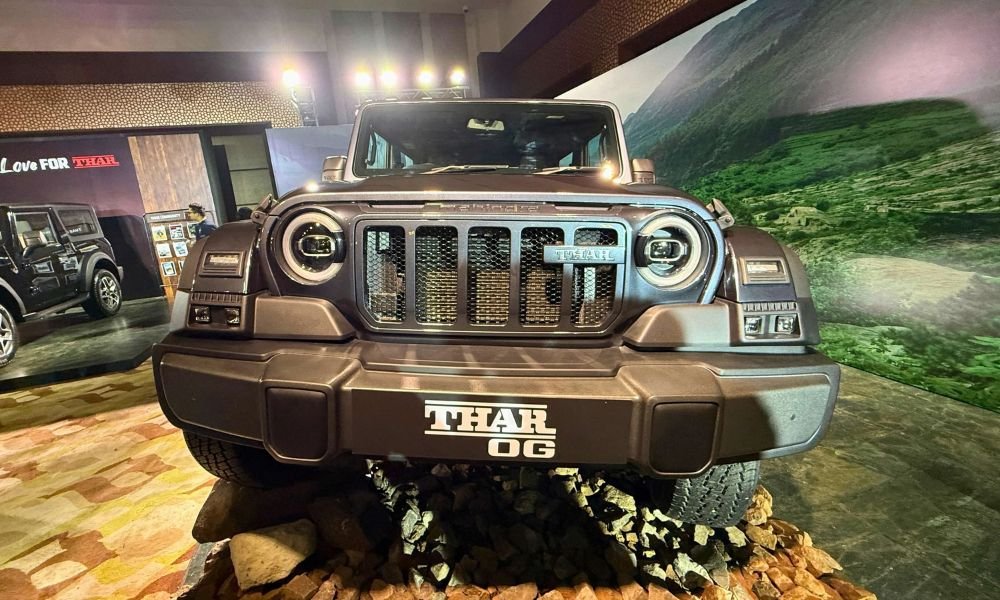
| Mahindra & Mahindra | Average 2.7% on SUVs | July 10, 2026 |
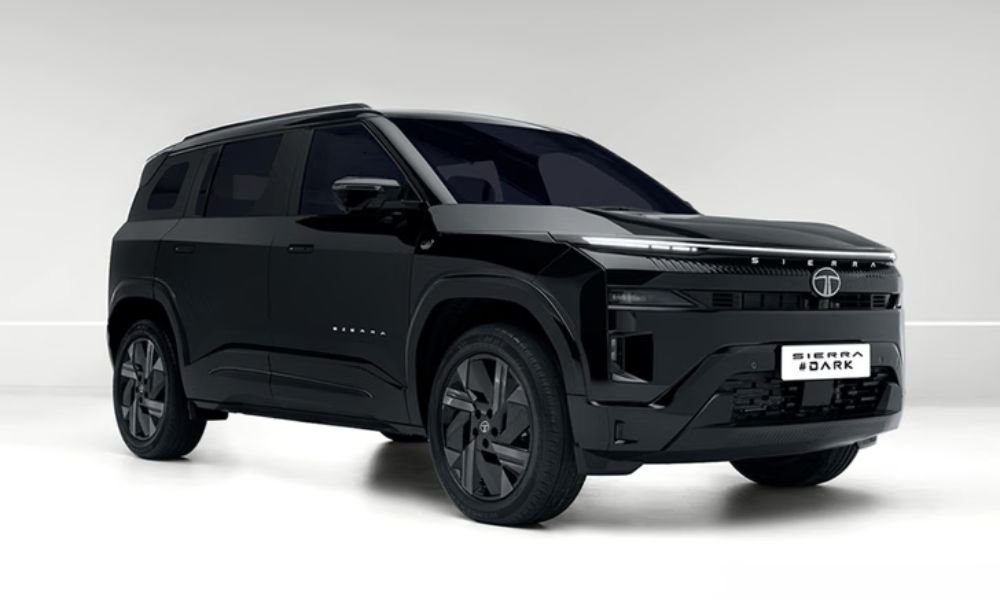
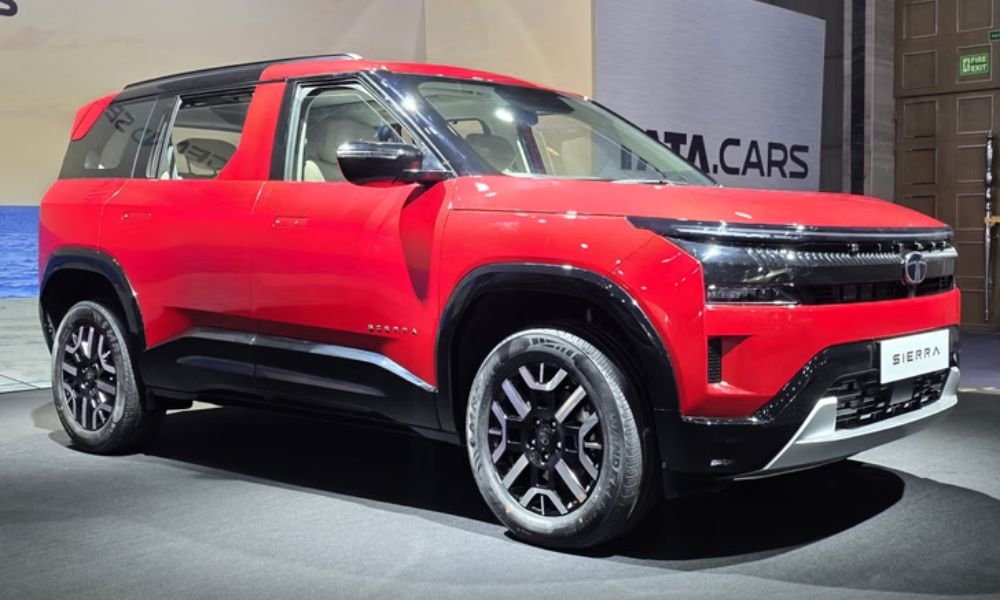
| Tata Motors PV | Up to 1.5% (ICE + EV) | July 1, 2026 |
| Kia India | Up to 2% | July 1, 2026 |
This pattern suggests a broader, sector-wide cost environment rather than a Maruti-specific issue — commodity inflation and elevated input costs are squeezing margins across the industry, and manufacturers are responding in near-parallel fashion.
What This Means for Buyers
Pros and Cons of the Current Situation
Pros:
- Existing bookings made before the August cutoff will likely be honoured at pre-hike prices, so early bookers benefit
- The increase, while real, remains moderate at “up to” Rs 30,000 — not a blanket hike across every variant
- Competitive pressure across brands means resale values on current-generation Maruti models may hold reasonably steady
Cons:
- Buyers waiting for the “right time” now face a third price increase within a single year
- Entry-level and budget-conscious buyers are disproportionately affected, since a flat rupee increase is a larger percentage hit on cheaper models
- Frequent hikes make it harder to predict on-road costs when planning a purchase months in advance
Practical Buying Advice
If you already have a Maruti Suzuki booking in place, check with your dealer on whether your invoice will be locked at the current price or if the August revision applies. Dealers typically honour prices for allotted bookings, but confirm this in writing.
If you’re still deciding, weigh the modest price difference against factors that matter more long-term: waiting periods, variant availability, and upcoming facelifts or new launches that might be a better fit than rushing a purchase purely to dodge Rs 15,000–30,000 in additional cost.
For those eyeing high-demand models like the Swift, Baleno, Brezza, or Fronx, it’s worth asking your dealer for the exact model-wise increase, since Maruti has clarified the hike will not be uniform across the range.
Frequently Asked Questions (FAQs)
1. How much will Maruti Suzuki car prices increase from August 2026? Prices will rise by up to Rs 30,000, though the exact amount will vary depending on the model and variant.
2. Is this the first price hike by Maruti Suzuki in 2026? No, this is the third adjustment this year — an initial hike in May, a second in June, and now this one effective August 2026.
3. Why is Maruti Suzuki increasing prices so frequently? The company attributes it to sustained inflation in input costs, including raw materials and components, which is squeezing operating margins.
4. Will all Maruti Suzuki models get more expensive by the same amount? No. The company has confirmed the increase will differ across models rather than being a flat, uniform hike.
5. Should I book my Maruti Suzuki car before August 2026 to avoid the hike? If you’ve already decided on a model and variant, booking before the effective date could save you money, since existing bookings are typically honoured at the pre-revision price. Confirm this policy with your dealer before finalising.
6. Are other carmakers also raising prices in 2026? Yes. Mahindra & Mahindra, Tata Motors, and Kia India have all announced price increases in the preceding months, pointing to an industry-wide cost pressure trend rather than an isolated Maruti decision.
Conclusion
Maruti Suzuki’s August 2026 price hike is less a one-off event and more a symptom of a broader cost squeeze running through India’s auto industry this year. With this being the third revision in 2026 alone, buyers who’ve been sitting on the fence would do well to finalise their decision sooner rather than later — not out of panic, but because the trend line on input costs shows no sign of reversing anytime soon. As always, the smarter move is to confirm exact model-wise pricing with your dealer before the August cutoff, rather than relying on the headline “up to Rs 30,000” figure alone.
Read More: