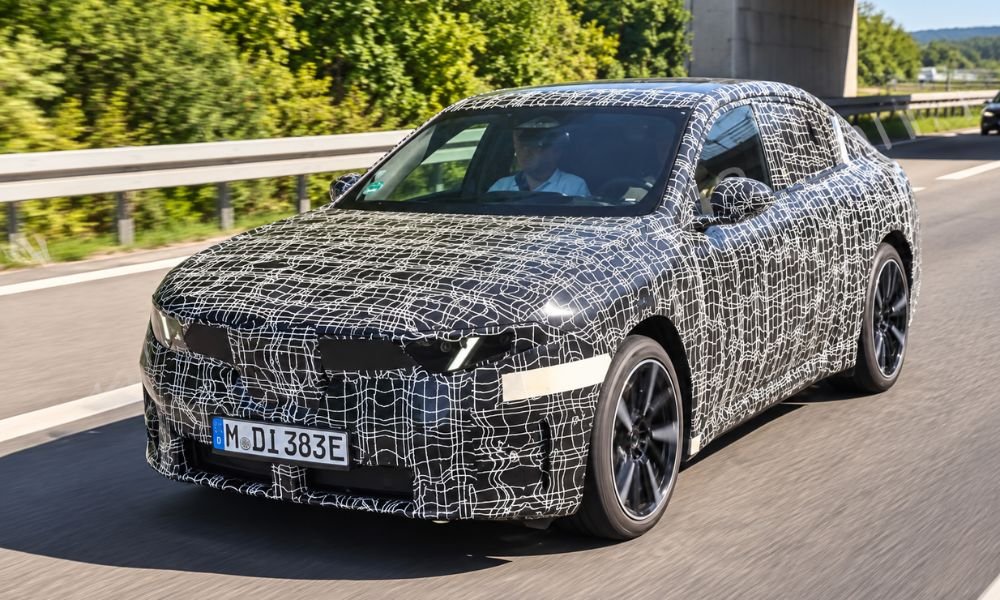
Renault is preparing a major comeback in India’s booming SUV market. After confirming the return of the iconic Duster, the French carmaker is now developing a new sub-4 metre compact SUV, often referred to internally as the “mini Duster.” The new model is expected to arrive in India around Diwali 2027 and could feature one of the most diverse powertrain options in its segment.
The upcoming compact SUV will play a key role in Renault’s long-term strategy to rebuild its presence in the Indian passenger vehicle market.
New Renault Compact SUV: What to Expect
The upcoming model, currently known by the internal codename RB3-K2 B-SUV, will slot between the Renault Kiger and the upcoming next-generation Duster in the company’s lineup.
Renault is aiming to compete directly in the fast-growing sub-4 metre SUV segment, which currently includes popular models like the Tata Nexon, Hyundai Venue, Kia Sonet and Mahindra XUV 3XO.
According to industry sources, Renault expects this new compact SUV to contribute 80,000 to 90,000 units in annual sales, making it a critical product for the brand’s revival in India.
Inspired by Renault’s Future Design Language
The mini Duster is expected to draw design inspiration from Renault’s Bridger concept, which previews the company’s upcoming design direction for emerging markets.
Key expected design elements may include:
-
A muscular SUV stance similar to the Duster
-
Bold front grille and signature LED lighting
-
High ground clearance and rugged styling
-
Modern interiors with connected technology
This design approach will help Renault position the vehicle as a premium compact SUV with strong off-road styling cues.
Wide Range of Powertrain Options
One of the most interesting aspects of the upcoming Renault compact SUV is its extensive powertrain lineup. Renault is reportedly working on multiple options to cater to a wide range of buyers.
Possible powertrain options include:
-
1.2-litre naturally aspirated petrol engine (new engine)
-
1.2-litre turbocharged petrol engine
-
Hybrid powertrain for improved fuel efficiency
-
CNG variant for budget-focused buyers
-
Fully electric version with two battery options
The EV variant could feature 35kWh and 55kWh battery packs, giving buyers different range and price choices.
With this strategy, Renault aims to cover a price range of roughly ₹10 lakh to ₹20 lakh (ex-showroom) across the various versions.
Built on Renault’s New Modular Platform
The new compact SUV will likely be based on Renault’s R-GMP modular platform, which is being heavily localised for the Indian market.
This platform will support:
-
Petrol engines
-
Hybrid systems
-
Electric powertrains
-
High localisation for competitive pricing
The architecture will also underpin several upcoming Renault models in India, making it a key part of the brand’s long-term product strategy.
Renault’s India Revival Strategy
The mini Duster is just one piece of Renault’s broader revival plan for India. The company is preparing to launch three all-new SUVs based on its new global platform.
These include:
-
Next-generation Renault Duster
-
Renault Bigster (7-seat SUV)
-
New sub-4 metre “mini Duster” SUV
Together, these models will help Renault compete more aggressively against brands such as Hyundai, Kia, Tata Motors and Mahindra, which currently dominate India’s SUV market.
India as a Global Export Hub
Renault also plans to use India as an export base for some of these upcoming SUVs. Vehicles manufactured at Renault’s Chennai plant could be shipped to international markets such as:
-
South Africa
-
Middle East markets like Saudi Arabia
-
Parts of Africa
This export strategy will help Renault improve economies of scale and production efficiency.
Why the Duster Name Still Matters
The return of the Duster badge is particularly significant for Renault. When it first launched in India over a decade ago, the Duster played a crucial role in popularising the midsize SUV segment.
Its success helped Renault become one of the fastest-growing global car brands in the country at the time.
Now, by combining modern platforms, electrified powertrains and aggressive localisation, Renault is hoping to recreate that success and strengthen its position in India’s rapidly expanding SUV market.
Read More: