India’s electric vehicle story reached a turning point in May 2026 — and the numbers make it impossible to look away. With fuel prices touching record highs and consumer attitudes shifting fast, the month delivered the strongest EV sales performance the country has ever recorded. For anyone still on the fence about going electric, May 2026 may well be the data that finally tips the scales.
The Headline: India’s Best EV Month Ever
India’s electric passenger vehicle segment registered a staggering 26,221 retail units in May 2026, marking an 80% year-on-year jump over May 2025 figures, according to Vahan registration data. This smashed the previous all-time monthly record of 25,250 units set just in April 2026 — making May the fourth consecutive month this year to surpass the 20,000-unit barrier.
The timing is no coincidence. May 2026 saw four petrol and diesel price hikes along with two CNG price revisions, pushing cost-conscious Indian consumers toward battery-powered alternatives at an unprecedented pace. Notably, 61% of all May EV deliveries happened in the second half of the month alone — pointing to a surge in buyer urgency as each fuel price hike landed.
The EV penetration rate in the passenger vehicle segment climbed to a historic 6.9% — a number that several industry analysts had pencilled in for 2027. For context, this figure stood at just 4.1% in January 2026.
Tata Motors: A Milestone Moment
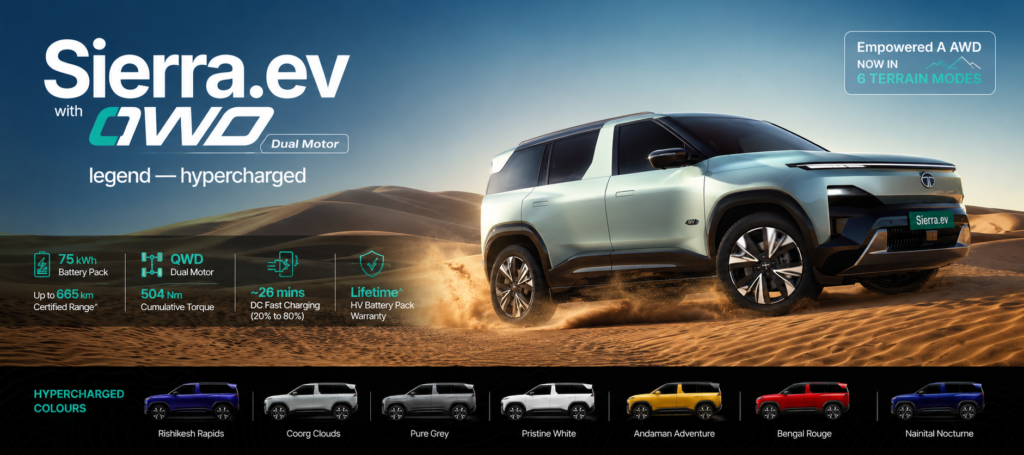
The biggest headline in the four-wheeler space belongs to Tata Motors, which crossed the 10,000-unit mark in a single month for the very first time, retailing 10,231 EVs — a 102% year-on-year growth. The Nexon EV, Punch EV, and Sierra EV continued to carry the brand’s momentum, while the newly launched updated Tiago EV added volume at the entry-level end.
Tata’s dominance reflects years of patient investment in an affordable EV portfolio. If you’re considering an entry-level electric car under ₹15 lakh, check out our detailed guide: Best Budget Electric Cars in India 2026 – carquestindia.com
Mahindra and MG: Fighting for Second Spot
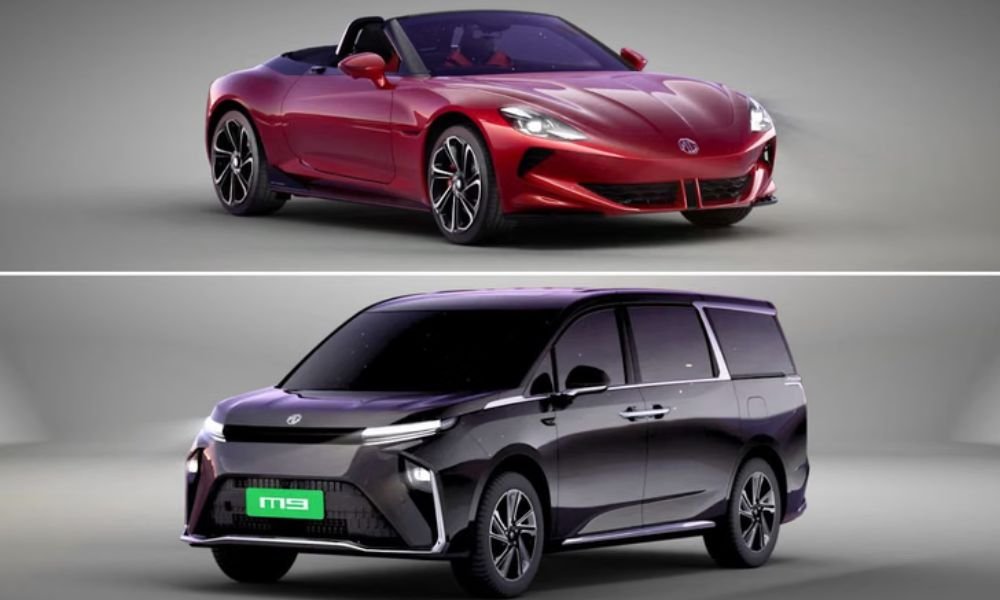
Mahindra & Mahindra recorded its highest-ever monthly EV sales and outsold JSW MG Motor India for the third consecutive month, reinforcing its position as Tata’s closest rival in the electric passenger segment. The XEV 7E and XEV 9E continued to attract premium buyers looking for home-grown alternatives to European EVs.
JSW MG Motor India retained its third spot, though the gap with Mahindra is widening. MG’s broad price range — from the affordable Comet EV to the feature-loaded Windsor EV — helps it hold relevance across buyer segments.
Looking to compare these brands head-to-head? Read: Tata vs Mahindra vs MG: Which EV Brand Should You Choose in 2026? – carquestindia.com
Kia’s Massive Leap and the BaaS Model
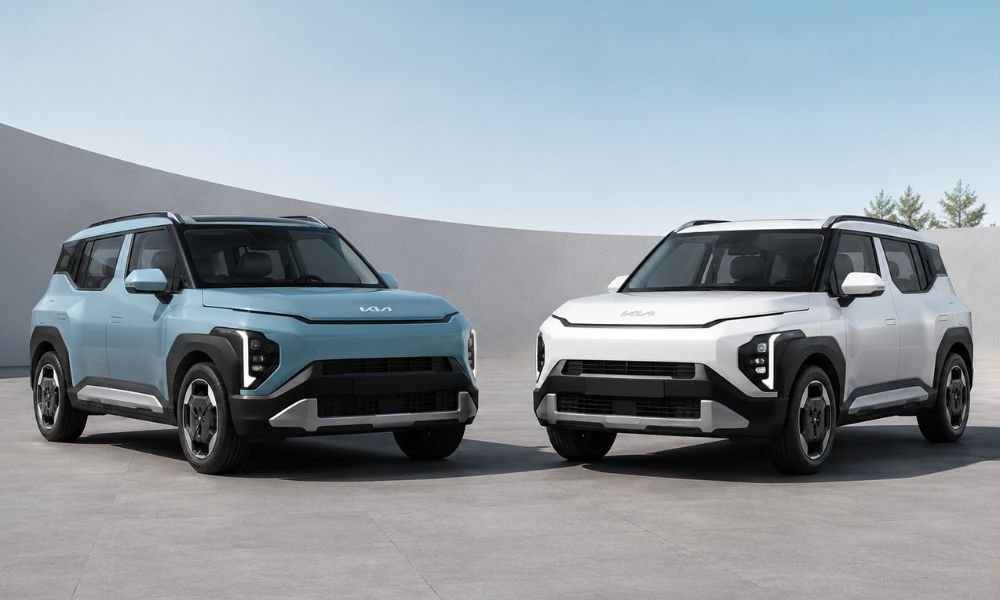
One of the most dramatic growth stories of the month came from Kia, which retailed 345 EVs in May 2026 — up sharply from just 41 units recorded in May 2025. The Carens Clavis EV drove this surge, aided by Kia’s newly launched Battery-as-a-Service (BaaS) scheme that brings the entry price down to ₹12.84 lakh from ₹17.99 lakh by separating battery ownership from the vehicle. Buyers pay a rental of ₹3.3 per km for battery usage — a model that could redefine affordability in Indian EV financing.
This kind of innovation in ownership models deserves attention. For more on how BaaS works and whether it suits your driving pattern, see: Battery-as-a-Service Explained: Is It Right for Indian EV Buyers? – carquestindia.com
Luxury EVs: Growing but Still Niche
The premium end of the market isn’t standing still either. Luxury EV brands collectively retailed 616 units in May 2026 — a 68% year-on-year increase from 366 units in May 2025. BMW led the pack with 345 units, up 72% YoY, while Mercedes-Benz, Tesla, Volvo, and Porsche contributed to the segment’s broadening base.
Two-Wheelers: The Real Volume Story
While four-wheelers grab the headlines, electric two-wheelers remain the backbone of India’s EV ecosystem. The e2W segment registered 1,44,451 units in May 2026 — representing approximately 8.9% of total two-wheeler sales, up from 6.7% in January 2026. The broader two-wheeler industry posted over 16 lakh units in total retail during the month.
Ola Electric maintained its leadership in the scooter space, while Ather Energy held strong at second position on the back of the new 450 Apex model. TVS Motor and Bajaj Auto rounded out the top four.
Want to know which electric scooter offers the best real-world range for city commuting? Explore: Best Electric Scooters in India 2026 – Ranked by Real-World Range – carquestindia.com
What’s Driving This Surge?
Several factors converged in May 2026 to create this record-setting environment:
- Fuel price sensitivity: With petrol prices at historic highs and four hikes in a single month, the running-cost advantage of EVs became more tangible than ever.
- Broader model availability: From ₹6 lakh entry-level hatchbacks to ₹40 lakh-plus premium SUVs, Indian buyers now have genuine choices across every budget band.
- Improving infrastructure: While metro-centric, charging network expansion is accelerating — and home-charging remains the norm for most EV owners.
- Financial innovation: BaaS models and lowered EMI options are dismantling the higher upfront cost barrier.
- Global tailwinds: The IEA’s Global EV Outlook 2026 projects global EV sales to hit 23 million units in 2026, representing 28% of all new cars sold worldwide — validating India’s trajectory as part of a larger structural shift.
Should You Buy an EV Right Now?
If May 2026’s data tells us one thing, it’s that early-adopter caution is fading fast. The choice of models is rich, running costs are compelling, and ownership innovations like BaaS are addressing the sticker price gap. That said, buyers in smaller cities should still evaluate charging access carefully before committing to a four-wheeler EV.
For a complete buyer’s checklist before making the switch, visit: Complete EV Buying Guide for India 2026 – carquestindia.com
The Road Ahead
With EV penetration crossing the 7% threshold two years ahead of analyst forecasts, India’s electric mobility journey is accelerating. If the current trajectory holds — and with planned price hikes from Maruti, Hyundai, and Tata in June 2026 — the second half of 2026 could push EV market share toward the double-digit milestone that would cement India’s place among the world’s fastest-growing EV markets.
One thing is clear: May 2026 wasn’t just a good month for EVs in India. It was a statement.