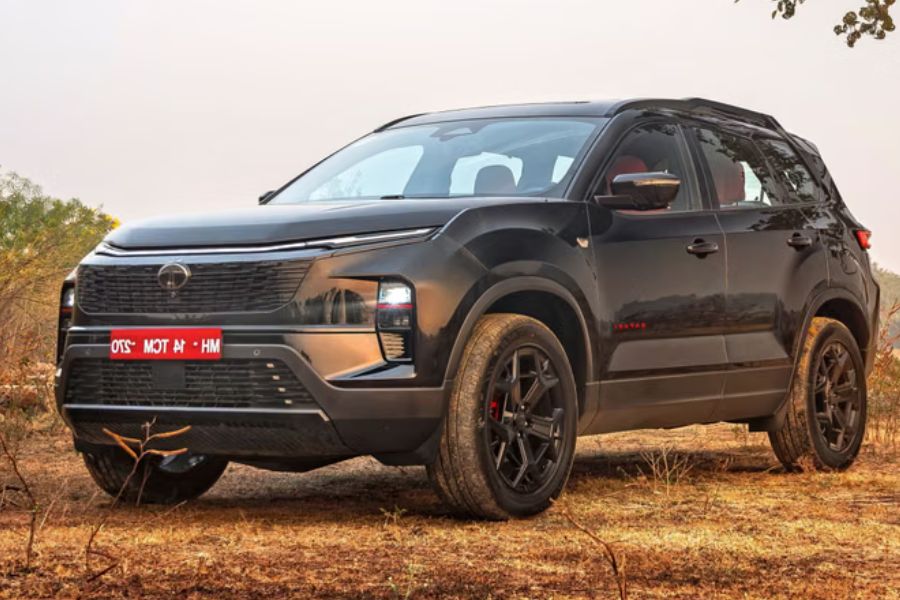
For years, the Tata Harrier was a diesel-only SUV, appealing primarily to buyers who valued strong torque and long-distance efficiency. That changes with the introduction of Tata’s new 1.5-litre Hyperion turbo-petrol engine, finally giving the Harrier a petrol option.
While the petrol and diesel Harriers look largely identical on the outside, there are meaningful differences in features, technology, performance and driving character. Here’s a detailed comparison of the Tata Harrier petrol vs diesel to help buyers decide which version suits them best.
What’s New in the Tata Harrier Petrol?
The petrol-powered Harrier isn’t just about a new engine. Tata has positioned it as the more tech-forward and feature-rich version of the SUV by introducing a new, petrol-only top trim.
Fearless Ultra Variant (Petrol-only)
The biggest differentiator is the Fearless Ultra variant, which is exclusive to the petrol Harrier. This trim brings several premium features that are not available on any diesel version, giving the petrol Harrier a more upmarket feel.
Tata Harrier Petrol vs Diesel: Feature Differences Explained
Bigger Infotainment and Superior Audio
The petrol Harrier Fearless Ultra gets a 14.5-inch Samsung Neo QLED touchscreen, replacing the 12.3-inch unit offered on diesel variants. Audio quality also sees a noticeable upgrade, with a 10-speaker JBL sound system featuring Dolby Atmos, including a dedicated centre speaker. Diesel versions miss out on this centre speaker setup.
Together, these upgrades make the petrol Harrier the most premium-feeling Harrier yet, especially for buyers who prioritise infotainment and in-cabin tech.
Advanced Camera and Safety Tech
Another major addition in the petrol Harrier is a digital interior rearview mirror (IRVM) with integrated front and rear dashcams. These cameras also get washer functionality, ensuring clearer footage in dusty or rainy conditions.
The system offers more comprehensive video recording for safety and convenience—features that are not offered on any diesel trim.
The petrol Harrier also benefits from several smaller but meaningful tech upgrades:
-
Mappls Auto Navigation, replacing Map My India used in diesel variants
-
65W USB Type-C fast charger, compared to a 45W unit in the diesel
-
Updated Level 2+ ADAS, including Intelligent Speed Assist linked to map data
These changes make the petrol Harrier particularly appealing for tech-focused urban and highway users.
Cosmetic Differences
To visually distinguish it, the petrol Harrier also gets:
-
A new Nitro Crimson exterior colour
-
Lighter interior upholstery
-
Dual-tone dashboard with wood-finish inserts
These elements give the petrol version a more contemporary and premium cabin ambience.
Tata Harrier Petrol vs Diesel: Engine and Performance Compared
Although both versions deliver identical peak power, their torque output and driving characteristics differ significantly.
Engine Specifications
-
Diesel: 2.0-litre Kryotec diesel
-
Power: 170hp
-
Torque: 350Nm
-
Gearbox: 6-speed MT / 6-speed AT
-
-
Petrol: 1.5-litre Hyperion turbo-petrol
-
Power: 170hp
-
Torque: 280Nm
-
Gearbox: 6-speed MT / 6-speed AT
-
How the Petrol Engine Feels Different
The new Hyperion petrol engine uses Miller cycle combustion, optimising intake air and valve timing to improve efficiency and throttle response. While it produces less peak torque than the diesel, it offers:
-
160Nm available from just 1,000rpm
-
A wider usable torque band on the top end, by roughly 1,000rpm
-
Smoother and more refined power delivery
In real-world driving, this translates to fewer gear changes and a more relaxed feel in city conditions compared to the diesel.
Weight and Handling
Tata claims the petrol Harrier is around 80kg lighter than the diesel version, reducing load over the front axle. While this should theoretically improve turn-in and steering balance, early driving impressions suggest the handling difference is subtle and most noticeable at lower speeds, rather than transformative.
Mileage and Running Considerations
-
The diesel Harrier continues to offer superior real-world fuel efficiency, particularly for highway use
-
The petrol Harrier is smoother, quieter and better suited to city driving
-
Buyers with lower annual running or predominantly urban usage may find the petrol version more appealing
Expected Price Difference
Official prices for the petrol Harrier are yet to be announced, but it is expected to be ₹50,000 to ₹80,000 cheaper than equivalent diesel variants.
-
Estimated petrol price range: ₹13 lakh to ₹24.5 lakh (ex-showroom)
This lower entry price could make the petrol Harrier an attractive option for buyers stepping into the lineup for the first time.
Tata Harrier Petrol vs Diesel: Which One Should You Buy?
Choose the diesel Harrier if
You drive long distances regularly, want maximum torque and prioritise fuel efficiency.
Choose the petrol Harrier if
You want the latest features, a more refined driving experience, lower upfront cost and a tech-rich cabin.
With the addition of the Hyperion petrol engine, the Tata Harrier is no longer a one-engine SUV. Buyers can now choose the version that best suits their driving style and usage pattern—rather than being locked into diesel by default.
Check it out: