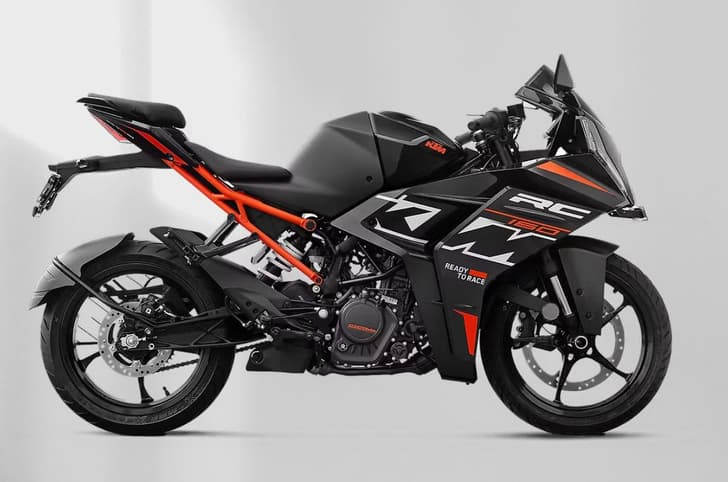
KTM has expanded its supersport line-up in India with the launch of the RC 160, positioning it as the most affordable fully-faired KTM motorcycle on sale. Essentially, the RC 160 combines the 160 Duke’s punchy engine with the aggressive bodywork and riding posture of the RC 200. This makes it the spiritual successor to the RC 125 and a direct rival to the long-standing segment benchmark — the Yamaha R15.
So how does KTM’s new entry-level supersport stack up against Yamaha’s proven contender? Here’s a detailed, easy-to-understand comparison covering engine performance, dimensions, hardware, features and pricing.
Engine and Performance: More Muscle vs Better Efficiency
On paper, the KTM RC 160 clearly focuses on outright performance, while the Yamaha R15 counters with efficiency and a lighter build.
| Specification | KTM RC 160 | Yamaha R15 |
|---|---|---|
| Engine | 164.2cc, single-cylinder, liquid-cooled | 155cc, single-cylinder, liquid-cooled |
| Max power | 19hp @ 9,500rpm | 18.4hp @ 10,000rpm |
| Max torque | 15.5Nm @ 7,500rpm | 14.2Nm @ 7,500rpm |
| Gearbox | 6-speed | 6-speed |
| Power-to-weight ratio | 122.5hp/tonne | 130.5hp/tonne |
Thanks to its larger displacement, the RC 160 produces higher peak power and torque than the R15. However, the Yamaha’s lighter kerb weight gives it a superior power-to-weight ratio, which should translate into quicker acceleration and a more responsive feel in real-world riding.
Both motorcycles hit peak torque at the same engine speed, but the KTM delivers its maximum power slightly earlier in the rev range, which could make it feel stronger during mid-range overtakes.
Weight and Dimensions: Yamaha’s Lightweight Advantage
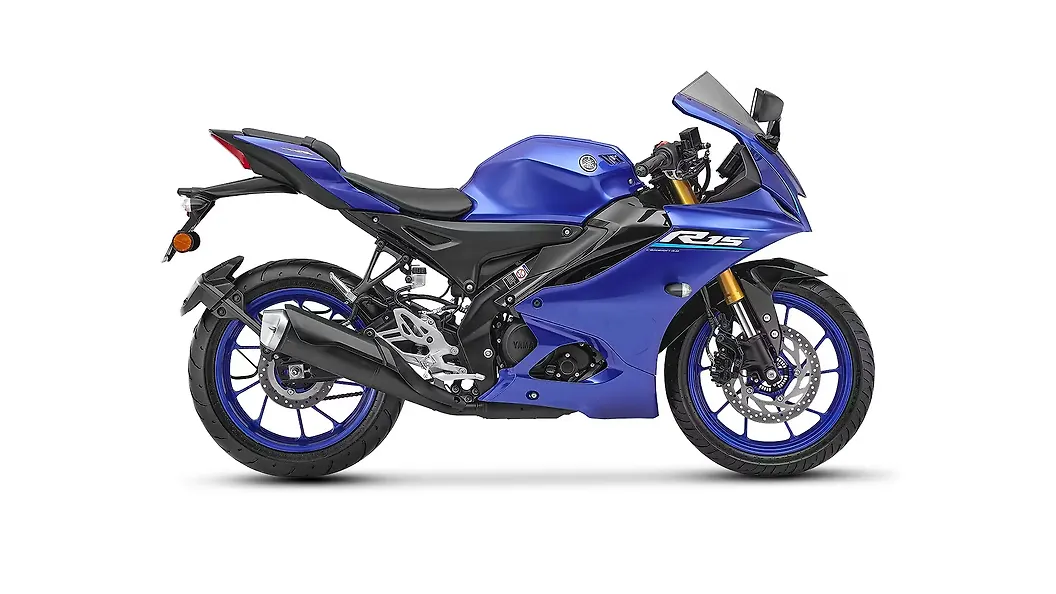
| Dimension | KTM RC 160 | Yamaha R15 |
|---|---|---|
| Kerb weight | 155kg | 141kg |
| Wheelbase | 1,347mm | 1,325mm |
| Fuel tank capacity | 13.7 litres | 11 litres |
| Ground clearance | 168mm | 170mm |
| Seat height | 830mm | 815mm |
The RC 160 is a hefty 14kg heavier than the R15, largely due to its larger fuel tank and more substantial hardware. While the KTM offers better touring range thanks to its bigger tank, the Yamaha’s lower weight and slightly lower seat height make it more approachable for shorter riders and daily commuting.
Both bikes have aggressive riding ergonomics, but the lighter R15 should be easier to manage in city traffic.
Tyres, Suspension and Braking: KTM Goes Bigger
| Hardware | KTM RC 160 | Yamaha R15 |
|---|---|---|
| Tyres (F/R) | 110/70-17 / 140/60-17 | 100/80-17 / 140/70-17 |
| Suspension | USD fork / monoshock | USD fork / monoshock |
| Brakes (F/R) | 320mm disc / 230mm disc | 282mm disc / 220mm disc |
Both motorcycles use similar tyre brands and radial rear tyres, but the KTM stands out with a wider front tyre and a significantly larger front brake disc. This setup suits the RC 160’s extra weight and performance-focused character, offering stronger braking performance and better front-end grip.
Features and Technology: Yamaha Offers More Choice
Feature-wise, the Yamaha R15 range has a clear advantage due to multiple variants:
-
Yamaha R15 V4: LCD instrument cluster with Bluetooth connectivity; optional quickshifter on select colour options
-
Yamaha R15M: Full-colour TFT display with track-focused layouts and a standard quickshifter
The KTM RC 160, on the other hand, is sold in a single variant. It gets an LCD instrument console with Bluetooth connectivity, switchable rear ABS, a slipper clutch and full LED lighting. While well-equipped, it misses out on a TFT display — something KTM now offers on select variants of the 160 Duke.
Price Comparison: KTM Charges a Premium
| Motorcycle | Price (ex-showroom, Delhi) |
|---|---|
| KTM RC 160 | Rs 1.85 lakh |
| Yamaha R15 | Rs 1.66 lakh – Rs 1.91 lakh |
The RC 160 is priced higher than even the top-spec R15M in most trims. Meanwhile, the base R15 V4 undercuts the KTM by a significant margin and still delivers the core R15 experience. Even after adding accessories like a quickshifter, the Yamaha remains more affordable overall.
Verdict: Which One Should You Choose?
-
Choose the KTM RC 160 if you want stronger engine output, bigger brakes, a more muscular road presence and don’t mind paying extra for performance and design.
-
Choose the Yamaha R15 if you value lighter weight, better power-to-weight ratio, more feature options, proven reliability and a wider price spread.
While the KTM RC 160 finally gives KTM a strong answer to the R15’s performance advantage, its premium pricing makes the Yamaha a more compelling value-for-money proposition for most buyers.