JSW Motors Limited, the independent passenger vehicle arm of the JSW Group, is gearing up to enter the Indian car market with its first SUV launch scheduled before Diwali 2026. The confirmation comes from JSW Motors’ managing director Parth Jindal, who shared key details in an interview with CNBC-TV18.
This marks JSW’s first standalone passenger vehicle offering, separate from its existing JSW–MG Motor partnership, and signals the group’s intent to build an independent, locally focused automotive brand.
Production and localisation strategy
JSW Motors plans to kick off production in August 2026, initially using a local assembly route. From October 2026, the company aims to achieve an ambitious 80 percent localisation level.
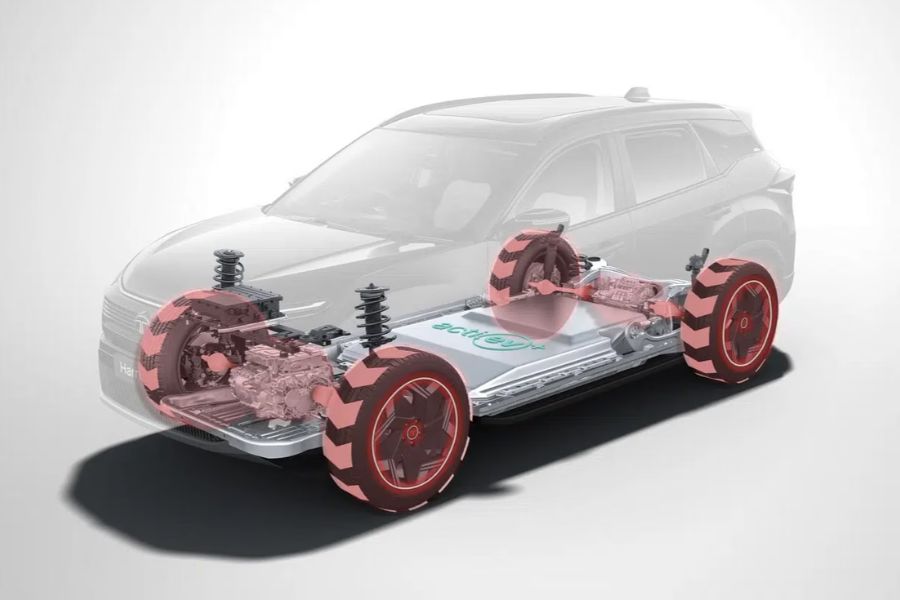
According to Jindal, localisation will extend well beyond body panels. Core components such as the battery pack, body-in-white steel parts, electric motor, seats, glass and tyres will all be sourced locally, helping JSW control costs and price the SUV competitively.
First JSW SUV: Jetour T2-based, but JSW-branded
As earlier reported by Autocar India, JSW’s first product will be based on the Jetour T2 SUV. However, it will wear JSW branding and will be sold independently, with no connection to the JSW–MG Motor lineup.
Jetour is an SUV-focused brand owned by Chery, and the T2 is positioned internationally as a rugged yet urban-friendly SUV.
Design and platform: Rugged looks, modern construction
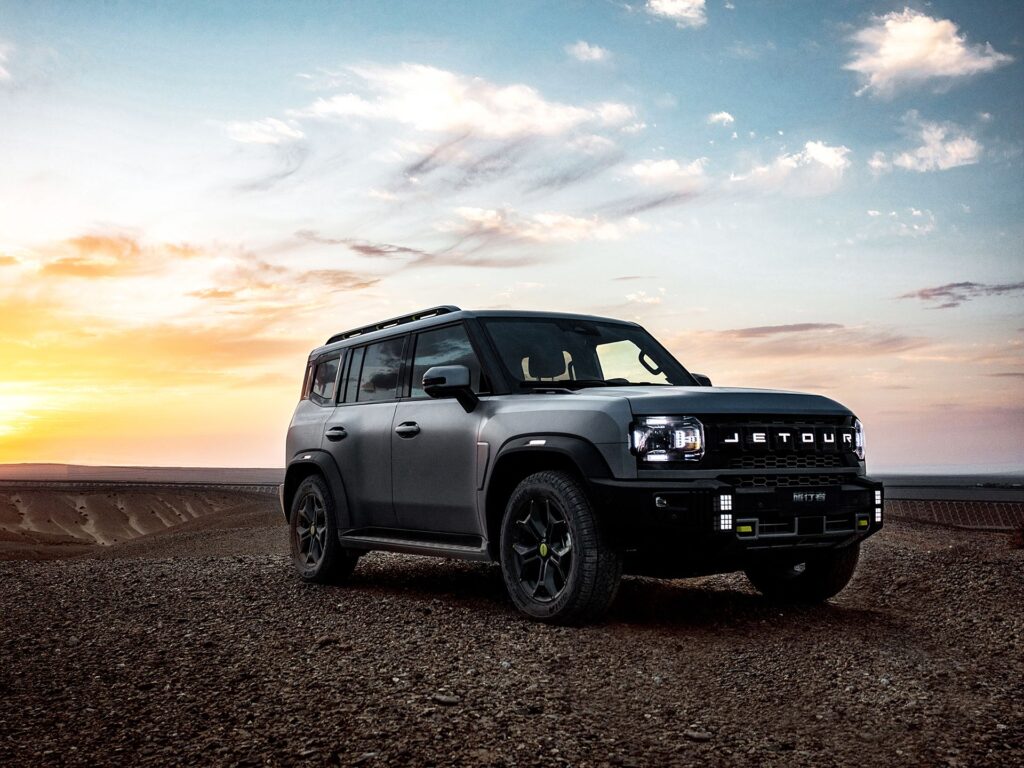
The Jetour T2 stands out for its upright, boxy SUV styling, featuring a tall stance, squared-off proportions and short overhangs. While it has a tough, off-road-inspired appearance similar to iconic lifestyle SUVs, it is built on a monocoque chassis rather than a ladder-frame platform.
This approach should help balance road comfort with the strong visual presence Indian buyers increasingly prefer.
Size and seating options
Globally, the Jetour T2 is available in 5-seat and 7-seat configurations. The standard 5-seater measures roughly 4.7 metres in length and about 2 metres in width, giving it a footprint larger than most midsize SUVs sold in India today.
If JSW brings both body styles, the SUV could appeal to buyers looking for a step-up from midsize models without moving into full-size, body-on-frame SUVs.
Powertrain for India: Plug-in hybrid focus
JSW Motors has confirmed that its India strategy for the T2 will centre on the plug-in hybrid (PHEV) version. The global-spec T2 i-DM uses a 1.5-litre turbo-petrol engine paired with electric motors, delivering improved efficiency along with strong performance.
Internationally, the PHEV is offered with front-wheel drive and all-wheel drive options. JSW has not yet disclosed which drivetrain configuration will make it to India.
Expected features and cabin tech
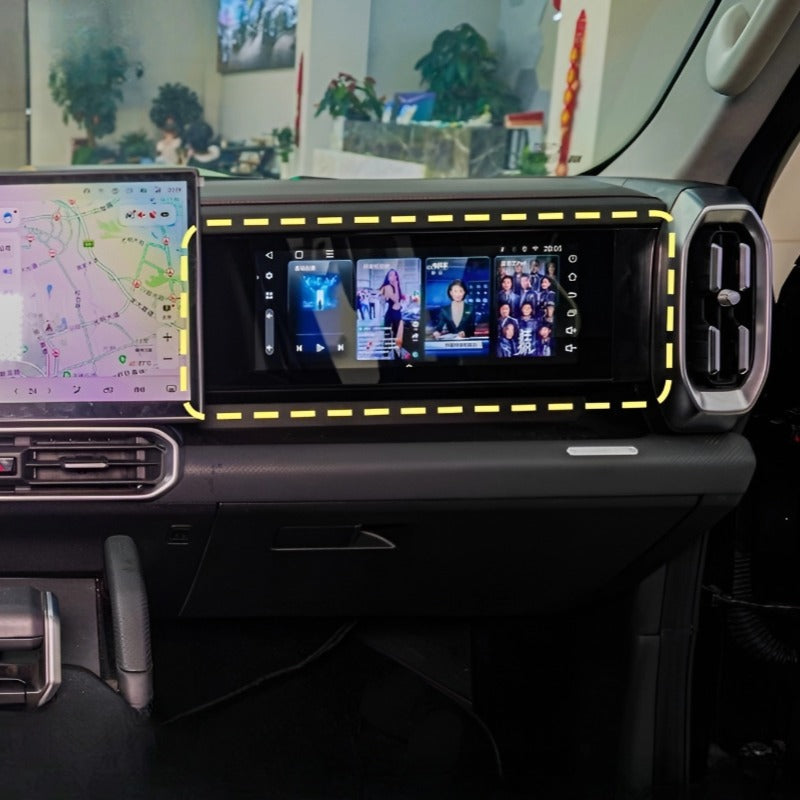
The international Jetour T2 comes with a tech-heavy, comfort-oriented interior, and a similar feature set is expected for the India-spec JSW SUV. Highlights are likely to include:
-
Large touchscreen infotainment system
-
Fully digital driver’s display
-
Ventilated front seats
-
Panoramic sunroof
-
Wireless Apple CarPlay and Android Auto
-
Wireless phone charging
-
Dual-zone climate control
-
Multi-colour ambient lighting
-
Premium audio system on higher variants
A rotary drive-mode selector with off-road-focused modes further reinforces its rugged positioning.
Pricing and market positioning
JSW Motors is targeting a price band of Rs 15 lakh to Rs 30 lakh, placing its first SUV above mainstream midsize SUVs and closer to the premium end of the segment.
For context, the Jetour T2 i-DM is priced at around Rs 35 lakh (approx.) in the UAE, so aggressive localisation will be key to achieving competitive Indian pricing.
A second JSW model is planned for 2027, which the company expects will contribute more significantly to overall sales volumes.
What this means for the Indian market
With a locally produced, plug-in hybrid SUV in the Rs 15–30 lakh range, JSW Motors is clearly aiming to carve out a new niche between mass-market midsize SUVs and premium imports. If executed well, the Jetour T2-based JSW SUV could appeal to buyers looking for distinctive design, electrified powertrains and premium features—without stretching into luxury-brand territory.
Read More: