


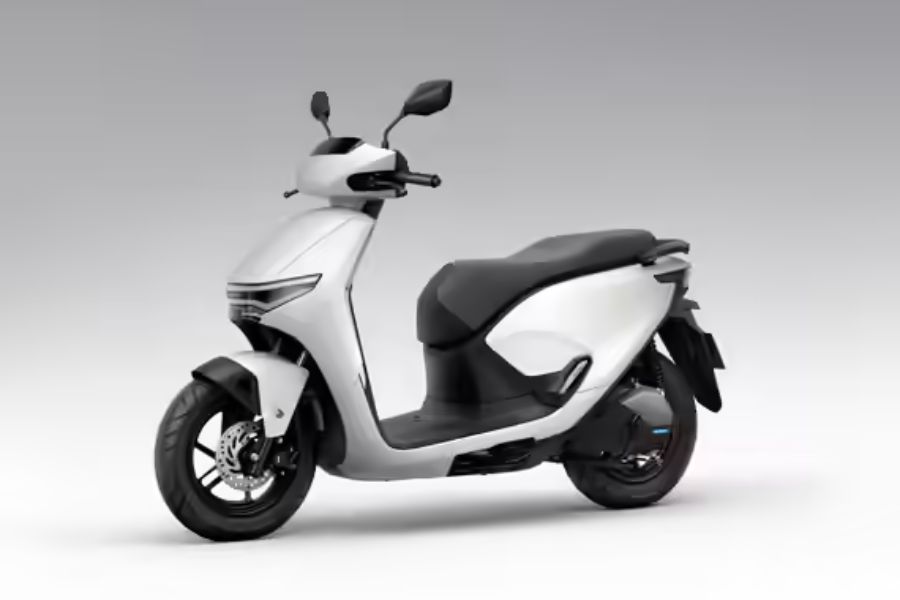
India’s two-wheeler industry has staged a remarkable comeback in FY26, achieving its highest-ever annual sales and surpassing pre-pandemic levels. After years of gradual recovery, the sector recorded total retail sales of 21.42 million units, marking a 13.4 percent year-on-year growth.
Strong Demand Fuels Historic Growth
The record-breaking performance was driven by improved affordability, better rural income flows, and a broader range of products catering to diverse consumer needs. Demand picked up significantly in the second half of the financial year, supported by favorable policy changes and festive season buying.
While the early months of FY26 saw cautious consumer sentiment due to uncertainty around GST revisions, the market gained momentum from September onwards. Reduced tax burdens and improved buyer confidence played a key role in accelerating sales across both motorcycles and scooters.
Hero Maintains Leadership, Expands Lead
Hero MotoCorp retained its position as India’s largest two-wheeler manufacturer, further strengthening its lead over Honda. The company’s dominance continues to be anchored in the commuter motorcycle segment, particularly in rural and semi-urban markets.
Its popular Splendor range remained a major contributor to volumes, benefiting significantly from improved affordability post-GST adjustments. Meanwhile, Honda continued to perform strongly in the scooter segment but faced stiff competition from rivals.
Scooter Segment Becomes More Competitive
The scooter market witnessed intensified competition in FY26, with TVS Motor Company and Suzuki Motorcycle India making notable gains. Honda still leads the segment, but its earlier dominance has reduced as competitors expand their portfolios and strengthen distribution.
Urban demand, where scooters account for a large share, has become increasingly competitive, reshaping the overall market dynamics.
Electric Two-Wheelers Gain Ground
Electric mobility continued to grow steadily, with EV registrations rising 22 percent to 1.40 million units in FY26. The share of electric vehicles in total two-wheeler sales increased to around 6.5 percent, indicating gradual but consistent adoption.
Unlike earlier years of rapid expansion, EV growth has now entered a more stable phase driven by real demand rather than heavy subsidies. Improved product quality, wider choices, and better pricing have contributed to rising consumer acceptance.
Traditional manufacturers strengthened their presence in the EV space, with TVS Motor emerging as the top player, followed by Bajaj Auto. Companies like Ather Energy and Hero MotoCorp also saw strong growth, while Ola Electric experienced a decline in market share amid rising competition.
Shift Towards Established Brands
A key trend in FY26 was the shift in market leadership within the electric segment. Established OEMs gained traction due to stronger dealer networks, better service infrastructure, and higher brand trust—factors becoming increasingly important as the market matures.
Outlook for the Industry
With government subsidies for electric two-wheelers expected to phase out soon, the industry is preparing for a more self-sustaining growth phase. Manufacturers remain optimistic, citing improved scale efficiencies and growing consumer confidence.
Overall, FY26 marks a turning point for India’s two-wheeler industry, highlighting a strong recovery, evolving consumer preferences, and a gradual transition towards electrification.
Read More: