


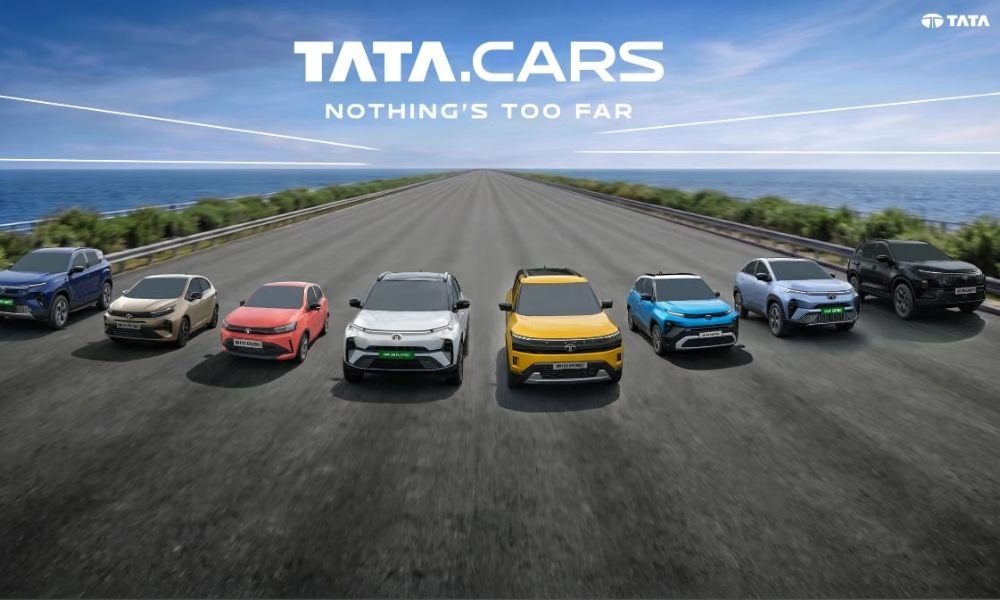
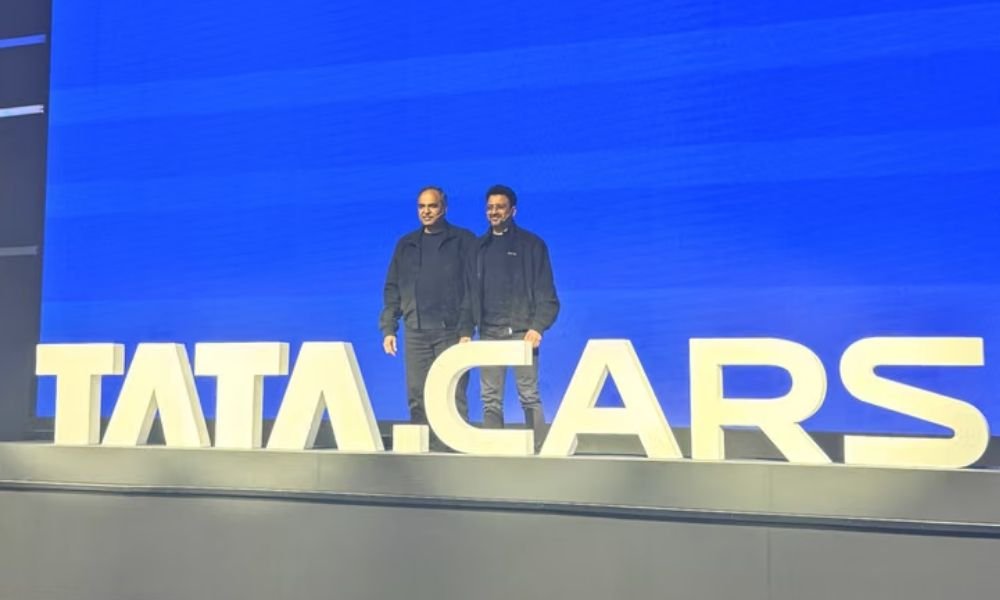
Tata Motors has officially rebranded its passenger vehicle division as Tata.Cars, retiring decades of familiar signage for a sleeker, unified identity that spans everything from the Tiago hatchback to the Nexon.ev. Announced on August 27, 2026, this isn’t just a logo change — it’s a strategic repositioning that follows the company’s high-profile demerger into separate passenger vehicle and commercial vehicle entities. If you’ve bought or plan to buy a Tata car, here’s what this rebrand actually means for you.
Key Highlights
- Tata Motors Passenger Vehicles (TMPV) has unveiled Tata.Cars as its new customer-facing global brand identity.
- Both ICE and EV models now fall under the Tata.Cars umbrella, with Tata.ev continuing as a distinct sub-brand.
- New brand promise: “Nothing’s Too Far.”
- A fresh visual language called “Parallel Pathways” introduces Ambition Blue as the principal colour, a custom typeface called Parallel Display, and a new sonic identity.
- The legal entity remains unchanged — Tata Motors Passenger Vehicles Limited will still handle statutory filings, manufacturing, and contracts.
- Dealership interiors, digital platforms, and service centres will be updated progressively over the coming months.
Why Tata Motors Is Rebranding Now
The timing isn’t accidental. Tata Motors recently completed a demerger that split its passenger vehicle business (including its stake in Jaguar Land Rover) from its commercial vehicle operations. This gave the PV arm room to build an identity of its own, distinct from the trucks-and-buses legacy the Tata name has long carried in India.
Shailesh Chandra, MD & CEO of Tata Motors Passenger Vehicles, framed the move as recognition of how people already talk about the brand. Indian buyers have informally called these vehicles “Tata cars” for years — the company is simply formalising that everyday shorthand into an official identity.
The Parallel Pathways Design Philosophy
Vivek Srivatsa, Chief Commercial Officer of Tata Passenger Electric Mobility, explained that the new identity is built around a concept called Parallel Pathways — a visual system inspired by the geometry of the Tata “T” logo and the lines of a road. This translates into:
- Ambition Blue — an evolved shade of Tata’s signature blue, now the dominant brand colour
- Parallel Display — a custom-designed typeface exclusive to the brand
- A new sonic identity for use across digital and retail touchpoints
What Changes for Customers — and What Doesn’t
What’s Changing
- Showroom signage, interiors, and digital platforms will gradually switch to the Tata.Cars branding
- Marketing communications and after-sales/service touchpoints will reflect the new identity
- Buyers will start seeing “Tata.Cars” replace “Tata Motors” on customer-facing materials
What Stays the Same
- Legal ownership documents, RC books, and warranty paperwork will still reference Tata Motors Passenger Vehicles Limited
- Tata.ev continues as the dedicated sub-brand for electric models like the Nexon.ev, Curvv.ev, and Punch.ev
- Manufacturing, service networks, and spare parts sourcing remain unaffected
Old vs New Identity: A Quick Comparison
| Aspect | Before (Tata Motors) | After (Tata.Cars) |
|---|---|---|
| Customer-facing name | Tata Motors | Tata.Cars |
| Legal entity | Tata Motors Ltd (pre-demerger) | Tata Motors Passenger Vehicles Ltd |
| EV sub-brand | Tata.ev | Tata.ev (retained) |
| Brand promise | Not formally defined | “Nothing’s Too Far” |
| Visual identity | Traditional Tata blue | Ambition Blue + Parallel Pathways design system |
Pros and Cons of the Rebrand
Pros
- Gives the PV business a sharper, more modern identity distinct from commercial vehicles
- Reflects genuine customer sentiment rather than a manufactured rebrand
- Signals renewed brand investment following the demerger, potentially translating into better dealership experiences and marketing
Cons
- Rebrand rollout costs across a large dealership network could be substantial, and execution consistency will take time
- Running Tata.Cars and Tata.ev in parallel risks customer confusion if messaging isn’t carefully managed
- A new identity alone doesn’t fix underlying concerns like after-sales service consistency, which will ultimately shape brand perception more than a logo
What This Means for Prospective Buyers
If you’re currently shopping for a Tata car, there’s no need to worry about paperwork or resale value — your ownership documents will still carry the legal Tata Motors Passenger Vehicles name. The rebrand is primarily cosmetic and experiential, aimed at how the brand presents itself in showrooms, apps, and advertising.
That said, keep an eye on dealership updates over the next few months. As showrooms transition to the new Ambition Blue theme and Tata.Cars signage, service quality and customer experience are worth monitoring — a fresh coat of branding is only meaningful if it comes with real improvements on the ground.
Frequently Asked Questions (FAQs)
1. Is Tata Motors changing its company name to Tata.Cars?
No. Tata.Cars is a customer-facing brand identity only. The legal entity remains Tata Motors Passenger Vehicles Limited, used for statutory filings, manufacturing, and contracts.
2. Will my car’s ownership documents show Tata.Cars instead of Tata Motors?
No, registration certificates, invoices, and warranty documents will continue to reference Tata Motors Passenger Vehicles Limited.
3. Does this rebrand affect Tata’s electric vehicles?
Tata.ev continues to operate as a distinct sub-brand for electric models, positioned under the broader Tata.Cars umbrella.
4. When will I see the Tata.Cars branding at my local dealership?
Tata Motors has said dealership interiors and signage will be updated progressively over the coming months, so the rollout will vary by location.
5. Does the rebrand affect Tata Motors’ commercial vehicle business?
No. Following the demerger, commercial vehicles operate as a separate entity with its own “Better Always” branding, unrelated to Tata.Cars.
6. Why did Tata Motors choose “Tata.Cars” as the new name?
The company said the name reflects how Indian customers already informally refer to its vehicles, making the rebrand feel earned rather than invented.
Conclusion
The Tata.Cars rebrand marks a deliberate next step in Tata Motors Passenger Vehicles’ post-demerger journey — one focused on building a distinct, modern identity for its car business without disturbing the legal or operational fundamentals customers rely on. For buyers, it’s largely a cosmetic shift for now, but it signals the brand’s intent to compete more aggressively on experience, not just product. Whether Tata.Cars becomes a meaningful differentiator will depend on execution at the dealership level over the coming months — something worth watching if you’re in the market for a new Tata vehicle.
Read More: