


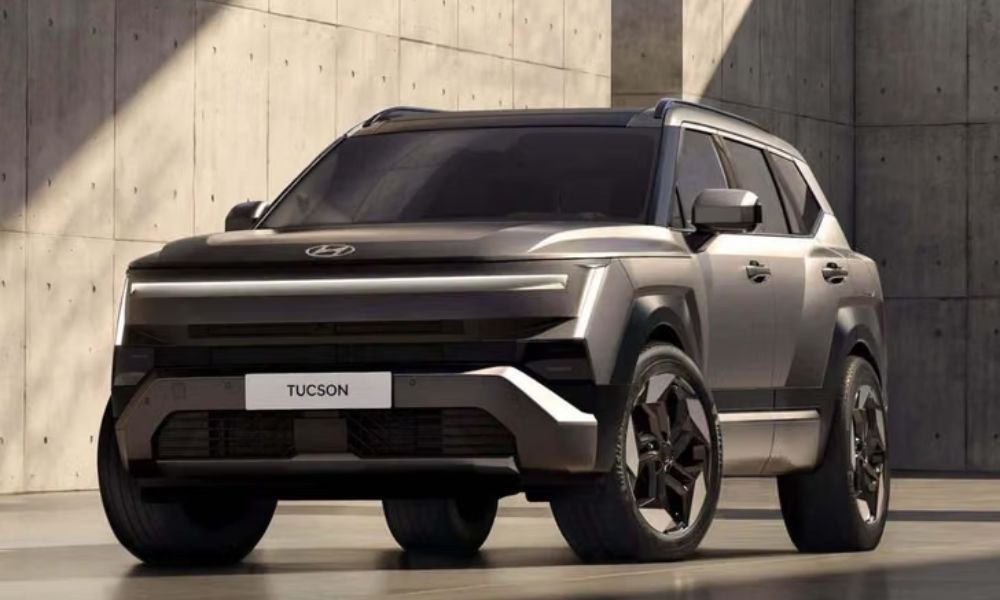
Hyundai has finally lifted the wraps off the fifth-generation Tucson, and the reveal marks the biggest design departure the model has seen since it first arrived in showrooms. Gone are the soft, parametric curves that defined the outgoing generation. In their place sits a boxy, upright SUV silhouette that borrows heavily from Hyundai’s new “Art of Steel” design language — the same philosophy recently seen on the Nexo and hinted at in the Boulder concept. For a nameplate that ranks among the world’s best-selling SUVs, this is not a minor facelift. It’s a full reinvention.
Key Highlights
- Fifth-generation Tucson debuts in South Korea with Hyundai’s “Art of Steel” design philosophy
- Boxier, more rugged silhouette replaces the previous generation’s sculpted, curvy styling
- H-shaped light signatures front and rear, formed by slim wraparound LED strips
- Body grows across every dimension — longer, wider, and with a stretched wheelbase
- Reworked cabin with a horizontal dashboard, large center display, and dual wireless charging
- XRT off-road trim returns with cladding, skid plates, and rugged styling cues
- Global rollout to follow, with the U.S.-spec model expected to debut in September 2026
- India launch anticipated in 2027, aligning with the brand’s global rollout schedule
A Complete Design Overhaul
The outgoing Tucson was known for its sharp creases and integrated “parametric” lighting elements — a look Hyundai has now deliberately walked away from. The new model adopts a two-box stance with strongly contoured fenders, squared-off wheel arches, and pronounced body cladding that pushes it closer to the rugged, off-road-inspired SUVs currently trending across the segment.
At the front, vertical H-edge daytime running lights flank a horizontal light bar that uses an indirect lighting structure, softening the glow across the fascia rather than presenting a single harsh strip. Around back, Hyundai has fitted a three-dimensional prism-lens taillight design paired with vertical lower lighting elements and a chunky new bumper with an integrated skid plate. The overall effect is a Tucson that looks noticeably more substantial and planted on the road than before.
Bigger in Every Direction
Growth in size is one of the clearest signals of the shift toward practicality and road presence. Compared with the outgoing model, the new Tucson is longer, wider, and rides on a longer wheelbase — changes that Hyundai says translate directly into a roomier second row, with headroom increasing meaningfully and rear doors now opening wider for easier entry and exit.
| Dimension | Change vs Outgoing Model |
|---|---|
| Overall Length | +60 mm |
| Overall Width | +40 mm |
| Wheelbase | +30 mm |
| Rear Door Opening Angle | Up from 73° to 83° |
| Second-Row Headroom | +29 mm |
Inside: A Tech-Forward, Horizontal Cabin
Step inside and the transformation continues. The dashboard now uses a horizontal layout with a floating upper crash pad, separated by a continuous strip of air vents rather than individual circular outlets. A large center touchscreen anchors the infotainment experience, joined by a double D-cut steering wheel designed to keep the driver’s view of the gauge cluster unobstructed.
Practicality hasn’t been forgotten either. Hyundai has added a dual wireless smartphone charging pad, a dedicated card slot near the driver’s air vent, a hidden storage tray, and an ergonomic palm rest — small touches that suggest real attention to everyday usability rather than styling for styling’s sake.
The XRT Trim Returns, More Rugged Than Ever
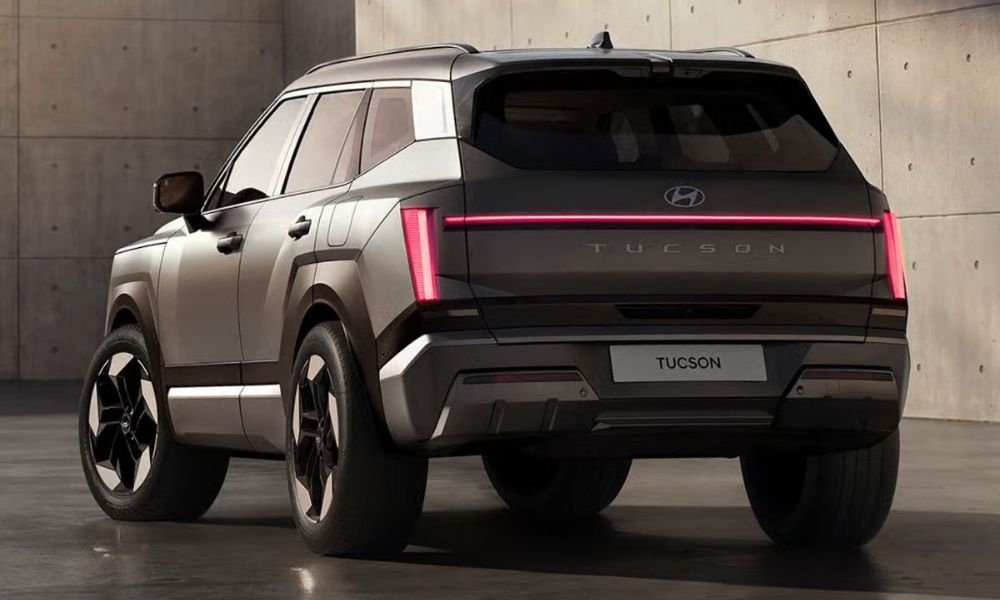
For buyers who want a tougher aesthetic, the XRT trim is back — and this time it looks like more than a cosmetic package. It gets a rectangular front grille, a wider front skid plate, forged-carbon-pattern wheel-arch cladding, XRT-specific wheels and badging, patterned upholstery, dark metal interior accents, all-weather floor mats, and an integrated tailgate LED spot lamp for camping or after-dark loading.
Pros and Cons
Pros:
- Distinctive, modern styling that breaks away from a design language buyers had seen for years
- Larger cabin and improved rear-seat access thanks to increased dimensions
- Genuinely useful interior upgrades like dual wireless charging and smarter storage
- XRT trim gives buyers a credible rugged alternative without stepping up to a body-on-frame SUV
Cons:
- Full powertrain and equipment details for markets outside Korea aren’t confirmed yet
- Boxier styling is a big departure and may not appeal to buyers who liked the outgoing car’s curves
- India-spec pricing, features, and launch timing remain unofficial at this stage
Frequently Asked Questions (FAQs)
1. When will the 2027 Hyundai Tucson launch globally?
The Tucson has debuted first in South Korea. The U.S.-spec version is expected to be revealed in September 2026, with other global markets, including India, likely to follow through 2027.
2. Is the 2027 Tucson bigger than the current model?
Yes. It’s longer, wider, and rides on a longer wheelbase, with noticeably more rear-seat headroom and easier door access.
3. What is Hyundai’s “Art of Steel” design language?
It’s Hyundai’s newer design direction emphasizing bold surface volumes, sharp character lines, and a more rugged, upright stance — first seen on the Nexo and now applied to the Tucson.
4. Will the Tucson XRT trim be available in India?
That hasn’t been confirmed yet. Global markets typically get the XRT trim, but India-specific variant details are still awaited.
5. Does the new Tucson get a hybrid or electric option?
Hyundai hasn’t detailed full powertrain lineups outside Korea yet, though hybrid and PHEV variants are widely expected to continue, based on Hyundai’s current Tucson strategy globally.
6. How different does the new Tucson look compared to the outgoing model?
Significantly different. The outgoing Tucson favored soft, sculpted surfaces, while the new generation adopts a boxy, two-box SUV profile with H-shaped lighting front and rear.
Conclusion
The fifth-generation Tucson represents one of Hyundai’s boldest styling swings in years, trading familiar curves for a chiseled, rugged stance that positions it firmly against the resurgent trend for tougher-looking SUVs. With a larger cabin, smarter storage solutions, and the return of the XRT trim, Hyundai appears to be targeting both lifestyle buyers and those who want genuine off-road-adjacent capability in one package. As more region-specific details emerge — particularly for markets like India — expect the conversation around this Tucson to only get louder. For now, one thing is clear: Hyundai isn’t playing it safe with its best-selling SUV.
Read More: