


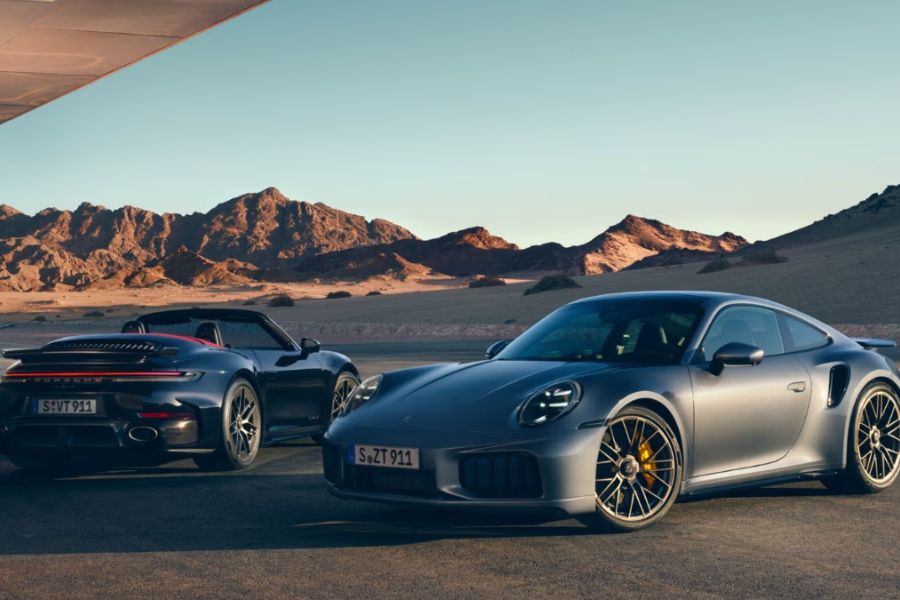
The recently signed India-European Union Free Trade Agreement (IND-EU FTA) has sparked excitement among automotive enthusiasts, promising to slash import duties on European vehicles from 110% to just 10%. But before planning your dream car purchase, here’s everything you need to understand about this landmark deal and its real-world impact.
Timeline: When Will Prices Actually Drop?
Immediate Implementation? Not Quite
The tariff reduction won’t happen overnight. Here’s the realistic timeline:
Phase 1: Import duties will initially decrease to 40% from the current 110%
Phase 2: Further reduction to the final 10% target
Expected Duration: 1-2 years minimum before significant price changes materialize
Why the Delay?
Multiple administrative hurdles must be cleared:
- Legal framework establishment across both regions
- Parliamentary ratification in individual EU member states and India
- Regulatory compliance procedures
- Implementation of monitoring mechanisms
This bureaucratic process is inherently time-consuming and complex.
Which Vehicles Qualify for Reduced Tariffs?
The CBU-Only Rule
Critical Point: Only Completely Built Units (CBUs)—vehicles fully manufactured and assembled outside India—qualify for reduced import duties.
What This Means for Luxury Brands
Mercedes-Benz, BMW, and Audi: Their popular sedans and SUVs assembled at Indian facilities will see zero price benefit. Models like the E-Class, 5 Series, and A4 won’t become cheaper.
Performance Variants Will Benefit: High-performance imports including:
- BMW M Division models (M3, M4, M5)
- Mercedes-AMG lineup (G 63, GT, AMG S-Class variants)
- Audi RS series (RS 5, RS 6, RS Q8)
- Porsche sports cars (911, Cayman, Boxster)
Supercar and Exotic Manufacturers
Brands importing all their vehicles will see maximum advantage:
- Ferrari
- Lamborghini
- Maserati
- McLaren
- Bentley
- Rolls-Royce
Mass-Market European Performance Cars
Volkswagen and Skoda’s niche performance offerings will become more competitive:
- Volkswagen Golf GTI
- Skoda Octavia RS
- Potential future hot hatch imports
Price Reduction Calculations: The Real Numbers
Scenario 1: Tariff Drops to 40%
A European luxury car currently priced at ₹1 crore (ex-showroom) could potentially drop to approximately ₹66 lakh—a 34% reduction.
Scenario 2: Full 10% Tariff Implementation
The same vehicle could eventually retail around ₹51 lakh—representing nearly 50% savings from current pricing.
Important Caveats
Several factors may limit actual savings:
Manufacturer Margins: Brands might retain some cost savings as profit rather than passing full benefits to customers
Currency Fluctuations: Rupee depreciation against the Euro could offset tariff reductions
Additional Taxes: State governments might impose compensatory cess to protect revenue
Price Positioning: Luxury brands maintain specific price hierarchies; don’t expect flagship models at mid-segment prices
Special Case: The Skoda Superb Example
Certain models face unique manufacturing constraints. The Skoda Superb, for instance, is produced exclusively as a complete vehicle at its European factory—CKD (Completely Knocked Down) kits aren’t available.
Previously, this made Indian assembly impossible, forcing expensive CBU imports. Reduced tariffs now make such models commercially viable, allowing competitive pricing despite CBU status.
Component and Parts Tariff Elimination
The 5-10 Year Plan
Beyond complete vehicles, the agreement targets complete elimination of tariffs on automotive parts and components within 5-10 years.
Benefits for Indian Manufacturing
This creates opportunities for:
- Indian manufacturers accessing premium European component suppliers
- Quality improvements in domestically produced vehicles
- Technology transfer and engineering collaboration
- Cost optimization for locally assembled European brands
Consumer Impact
Cheaper imported spare parts will benefit:
- Existing European car owners (reduced maintenance costs)
- Indian manufacturers using European components
- Aftermarket modification and customization enthusiasts
Market Protection Mechanisms
Annual Import Quota
The agreement caps European vehicle imports at 250,000 units annually, ensuring:
- Gradual market integration
- Protection for domestic manufacturers
- Time for Indian brands to enhance competitiveness
- Prevention of market disruption
Staged Tariff Reduction
The phased approach gives local manufacturers breathing room to:
- Upgrade product offerings
- Improve technology
- Enhance quality standards
- Develop competitive alternatives
What This Really Means for Car Buyers
Realistic Expectations
Don’t Expect: Mercedes-Benz luxury sedans at ₹25 lakh or Range Rovers at ₹50 lakh
Do Expect:
- Greater variety in performance car segment
- More accessible enthusiast-focused models
- Experimental offerings from European brands
- Previously “too expensive” models becoming viable
Potential Market Changes
Product Diversification: BMW might introduce more body styles; Volkswagen could reintroduce diesel performance variants
Enthusiast Models: Golf GTI, Octavia RS, and similar cult favorites becoming mainstream affordable
Market Testing: Brands can introduce niche models without massive financial risk, potentially leading to local assembly if demand justifies investment
The Test-and-Localize Strategy
Successful CBU imports might eventually transition to CKD assembly if volumes support infrastructure investment—creating a pathway for permanent model availability at lower price points.
Bottom Line: Measured Optimism
The India-EU FTA represents significant progress for automotive enthusiasts and represents genuine opportunity for market expansion. However, expectations should remain grounded in reality.
Timeline: 2-3 years for substantial market impact
Price Drops: Genuine but not revolutionary; expect 25-40% reductions on eligible models
Market Segment: Performance cars, supercars, and ultra-luxury vehicles benefit most
Mainstream Impact: Limited direct effect on volume segments but potential technology trickle-down
The agreement fundamentally expands choice and accessibility in India’s premium automotive market while protecting domestic manufacturing interests through quotas and phased implementation.
For European car enthusiasts, patience will be rewarded—just don’t rush to the dealership expecting immediate fire sales.