


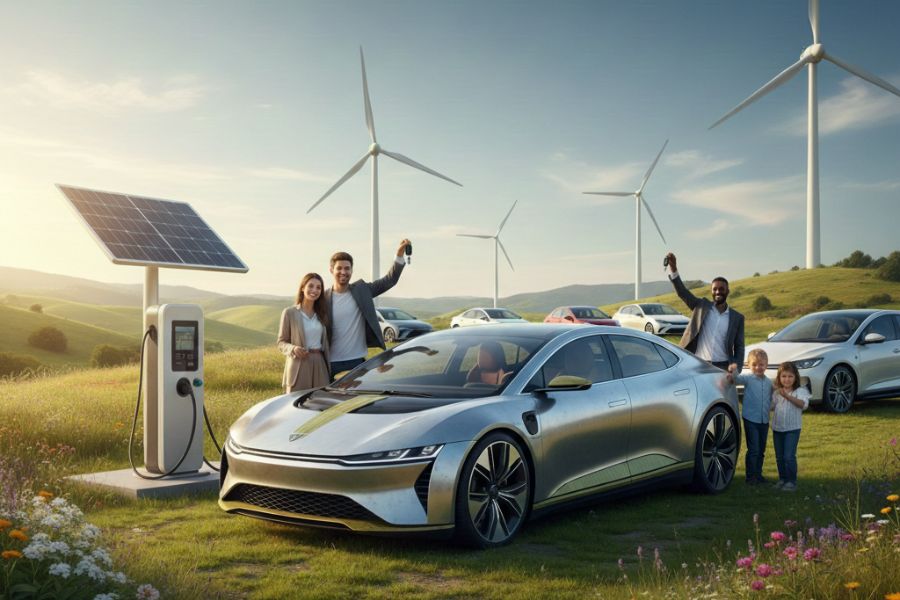
As awareness of climate change and environmental responsibility grows, travellers are increasingly looking for ways to reduce their carbon footprint without sacrificing convenience or comfort. One area seeing rapid change is the car rental industry. Eco-friendly car hire is no longer a niche offering; it’s becoming a mainstream option for holidaymakers, business travellers, and locals alike.
From electric vehicles (EVs) and hybrids to carbon offset programmes and low-emission fleets, eco-conscious car hire is reshaping how people get around. In countries like New Zealand and Australia, where natural landscapes are central to tourism and national identity, the push toward greener transport options is particularly strong. This article explores what eco-friendly car hire really means, why it’s gaining popularity, and what travellers should consider before booking.
What Does Eco-Friendly Car Hire Really Mean?
Eco-friendly car hire goes beyond simply renting an electric vehicle. It refers to a broader commitment by rental providers to reduce environmental impact across their fleets and operations.
At its core, eco-friendly car hire typically includes one or more of the following elements:
Low-emission vehicles: These include electric vehicles (EVs), plug-in hybrid electric vehicles (PHEVs), standard hybrids, and highly fuel-efficient petrol or diesel models that meet strict emissions standards.
Sustainable fleet management: Rental companies may prioritise newer vehicles with better fuel efficiency, retire older high-emission cars faster, and invest in cleaner technologies.
Carbon offset initiatives: Some car hire providers offset emissions by investing in environmental projects such as reforestation, renewable energy, or conservation programmes.
Operational sustainability: This can include paperless bookings, energy-efficient offices, responsible waste management, and partnerships with sustainability-focused suppliers.
In New Zealand and Australia, eco-friendly car hire often aligns with national goals to reduce transport emissions, which remain one of the largest contributors to greenhouse gases. Governments, tourism bodies, and private operators are increasingly working together to support cleaner travel options.
Why Eco-Friendly Car Hire Is Gaining Popularity
Several factors are driving the rapid rise of eco-friendly car hire worldwide, particularly in environmentally conscious travel markets.
Growing Environmental Awareness
Travellers are more informed than ever about the environmental impact of their choices. Many actively seek ways to travel responsibly, especially when visiting countries known for pristine landscapes, such as New Zealand’s national parks or Australia’s coastal regions. Choosing an eco-friendly rental vehicle allows travellers to align their transport choices with their values.
Government Incentives and Policy Support
Both New Zealand and Australia have introduced policies encouraging the adoption of low-emission vehicles. Incentives such as EV rebates, reduced registration fees, and investment in charging infrastructure make it easier and more cost-effective for rental companies to expand their eco-friendly fleets.
In New Zealand, the expansion of public EV charging networks across major highways has significantly improved the practicality of electric car hire, even for longer road trips.
Cost Savings Over Time
While eco-friendly vehicles can sometimes cost more upfront, they often deliver savings in fuel and maintenance. Electric vehicles, in particular, have fewer moving parts and lower running costs. As fuel prices fluctuate, many travellers appreciate the predictability and affordability of charging compared to filling up a petrol tank.
Improved Technology and Vehicle Range
Early concerns about limited EV range and charging access are becoming less relevant. Modern electric and hybrid vehicles offer longer ranges, faster charging, and better performance. This makes eco-friendly car hire a viable option not just for city driving, but also for regional and intercity travel.
Types of Eco-Friendly Vehicles Available for Hire
Travellers considering eco-friendly car hire have more choices than ever. The most common options include:
Electric Vehicles (EVs)
Fully electric vehicles produce zero tailpipe emissions and are ideal for travellers focused on minimising environmental impact. Popular EV models available for hire often include compact cars and SUVs suitable for both urban and regional travel.
EVs are particularly well suited to city-based trips, airport transfers, and scenic touring routes with established charging infrastructure.
Hybrid Vehicles
Hybrid cars combine a petrol engine with an electric motor to improve fuel efficiency and reduce emissions. They do not require charging and are a popular choice for travellers who want a greener option without changing driving habits.
Hybrids are especially practical for longer journeys or rural areas where charging stations may be less frequent.
Plug-In Hybrid Electric Vehicles (PHEVs)
PHEVs offer the best of both worlds: short-distance electric driving with the flexibility of a petrol engine for longer trips. These vehicles are ideal for travellers who want to reduce emissions while retaining maximum convenience.
Fuel-Efficient Low-Emission Cars
Not all eco-friendly rentals are electric. Many providers offer small, modern petrol or diesel vehicles designed to maximise fuel efficiency and meet low-emission standards. While not zero-emission, they still represent a more sustainable choice than larger, older vehicles.
Things Travelers Should Know Before Renting an Eco-Friendly Car
Before booking an eco-friendly rental vehicle, travellers should keep several practical considerations in mind.
Charging Infrastructure and Route Planning
If you’re renting an EV, it’s important to understand where and how you’ll charge. New Zealand and Australia both have expanding charging networks, but coverage can vary by region. Travellers should plan routes in advance and check charging station availability near accommodation and key destinations.
Most rental providers will explain charging basics, but it’s worth familiarising yourself with apps or maps that show real-time charger locations.
Rental Costs and Inclusions
Eco-friendly car hire may sometimes come with a slightly higher daily rate, particularly for EVs or newer hybrid models. However, savings on fuel and potential incentives, such as discounted charging, can offset the initial cost.
Travellers should also check what’s included in the rental price, such as charging cables, access cards, or charging credits.
Driving Experience
Eco-friendly vehicles often drive differently from traditional cars. EVs are typically quieter, have instant acceleration, and may use regenerative braking. Most drivers adapt quickly, but it’s helpful to take a few minutes to understand the vehicle before setting off.
Environmental Claims and Transparency
Not all “green” claims are equal. Responsible rental companies are transparent about their sustainability efforts, vehicle emissions, and offset programmes. Travellers should look for clear information rather than vague eco-friendly marketing language.
Eco-Friendly Car Hire Efforts in New Zealand and Australia
New Zealand and Australia are increasingly positioning themselves as leaders in sustainable travel. Many rental car companies across both countries are investing heavily in EV fleets, hybrid options, and sustainability initiatives.
In Australia, major cities are supporting e-mobility events and policy discussions that highlight the future of sustainable transport. Initiatives like Hyderabad E-Mobility Week, while international, reflect a global shift toward cleaner mobility solutions and offer insights relevant to the Australian and New Zealand markets, where similar conversations are shaping transport policy and tourism strategy. You can explore broader global perspectives on sustainable transport through resources such as this overview of e-mobility initiatives focused on driving a sustainable future.
Vehicle manufacturers are also playing a key role. Toyota, for example, continues to invest in hybrid, hydrogen, and electric technologies as part of its long-term sustainability strategy. Understanding manufacturers’ visions helps travellers appreciate how rental fleets are evolving in response to global environmental goals, as outlined in Toyota’s vision for sustainable mobility.
Conclusion
Eco-friendly car hire represents a significant step forward in making travel more sustainable without compromising freedom or flexibility. As technology improves and infrastructure expands, renting an eco-friendly vehicle is becoming easier, more affordable, and more practical for a wide range of travellers.
In destinations like New Zealand and Australia, where natural beauty is a major draw, choosing an eco-friendly rental car allows travellers to explore responsibly while supporting broader efforts to reduce emissions. Whether opting for an electric vehicle, a hybrid, or a fuel-efficient, low-emission car, today’s travellers have more opportunities than ever to make greener choices on the road.
As demand continues to rise, eco-friendly car hire is set to become not just an alternative, but the standard for modern, conscious travel.
Frequently Asked Questions
Why is eco-friendly car hire becoming popular?
Eco-friendly car hire is gaining popularity due to increased environmental awareness, government support for low-emission vehicles, rising fuel costs, and improved EV and hybrid technology. Travellers want to reduce their carbon footprint while still enjoying convenient and flexible transport.
Are eco-friendly car rentals more expensive than regular cars?
Eco-friendly rentals can sometimes have a higher daily rate, particularly for electric vehicles. However, lower fuel or charging costs and reduced running expenses often balance out the difference, making them competitively priced overall.
Can I rent an eco-friendly car anywhere in New Zealand?
Eco-friendly car hire is widely available in major New Zealand cities and airports, with growing availability in regional locations. While EV charging infrastructure continues to expand, travellers should plan ahead for rural routes to ensure charging access.