


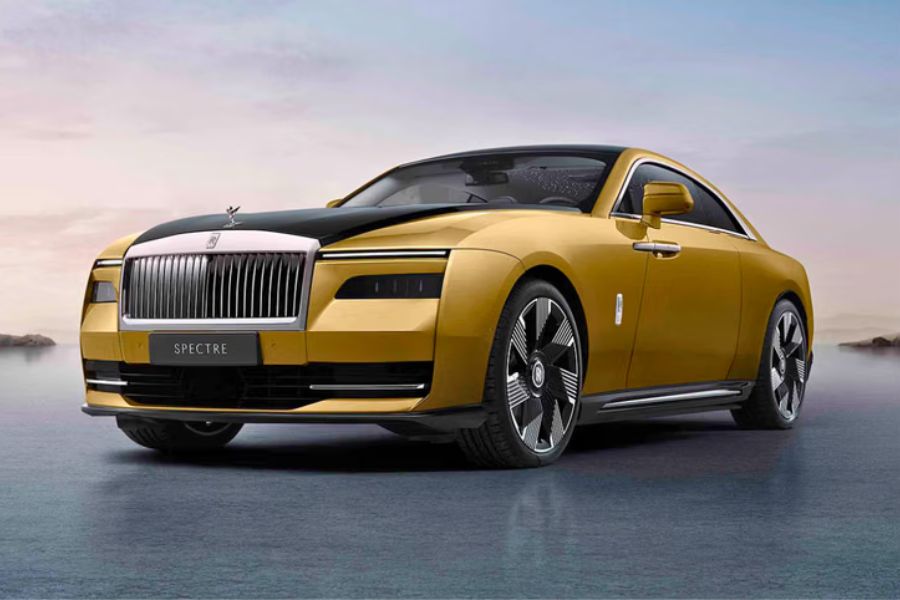
Rolls-Royce Motor Cars has officially stepped back from its earlier commitment to become a fully electric brand by 2030. The British luxury carmaker is now adopting a more flexible strategy, keeping its iconic V12-powered models alive while gradually expanding its electric portfolio.
Changing Strategy Driven by Market Realities
Rolls-Royce CEO Chris Brownridge confirmed the shift, pointing to evolving global regulations and changing customer preferences as key reasons. When the brand first announced its electrification roadmap in 2022—alongside the debut of the Spectre EV—the automotive landscape looked very different.
However, softer demand for ultra-luxury EVs and relaxed government mandates have prompted a rethink. Brownridge emphasized that Rolls-Royce’s approach remains customer-led rather than target-driven.
V12 Legacy to Remain Intact
For Rolls-Royce buyers, the V12 engine is more than just a powertrain—it’s a defining part of the brand’s identity. Models like the Phantom, Ghost, and Cullinan continue to rely exclusively on V12 engines, and that isn’t changing anytime soon.
The company acknowledges that while some clients are embracing electric mobility, many still prefer the refinement and heritage of a traditional combustion engine. As a result, Rolls-Royce will continue offering both options based on customer demand.
EV Plans Still in Motion
Despite delaying its all-electric goal, Rolls-Royce is not slowing down on EV development. The Spectre—the brand’s first fully electric model—remains central to its future strategy, although recent reports suggest a dip in its global sales performance.
Meanwhile, Rolls-Royce is preparing to introduce its first electric SUV, which has already been spotted undergoing testing. This upcoming model is expected to blend the brand’s signature luxury with electric performance, potentially rivaling the popularity of the Cullinan.
Industry-Wide Shift in Electrification Goals
Rolls-Royce is not alone in recalibrating its EV ambitions. Several premium automakers have recently adjusted their timelines:
- Volvo has softened its plan to go fully electric by 2030
- Bentley has postponed its EV-only target to 2035
- Lamborghini is now exploring hybrid options instead of a fully electric SUV
- Porsche is reconsidering the powertrain strategy for its upcoming flagship SUV
This broader trend reflects a more cautious transition toward electrification, especially in the high-end segment where customer expectations differ significantly from the mass market.
What This Means for Buyers
For Rolls-Royce customers, this shift ensures greater choice. Whether it’s the silent luxury of an electric drivetrain or the timeless appeal of a V12 engine, the brand will continue to cater to both ends of the spectrum.
Final Take
Rolls-Royce’s decision highlights a growing reality in the automotive world—electrification is inevitable, but timelines are becoming more flexible. By prioritizing customer demand over rigid targets, Rolls-Royce aims to preserve its heritage while gradually embracing the future.
Read More: