


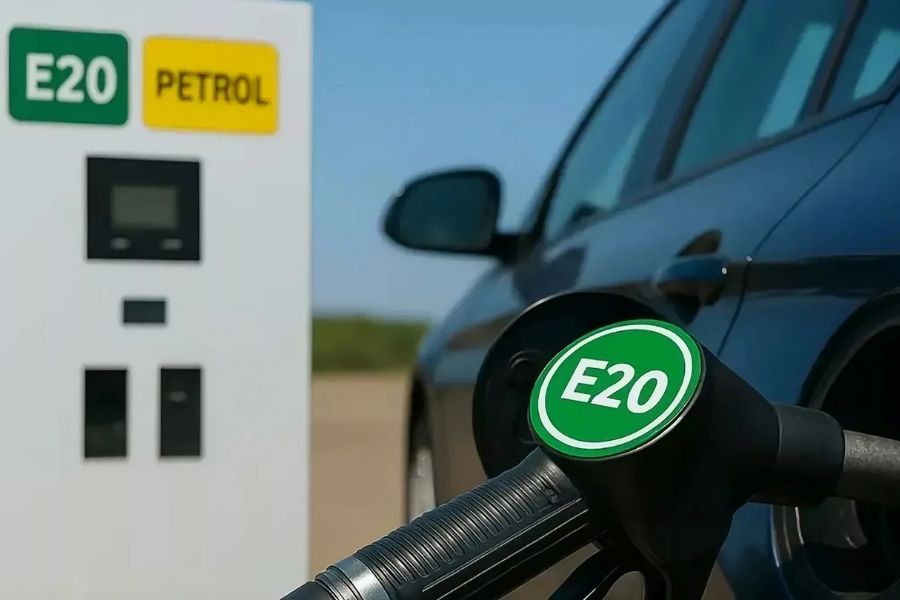
India is preparing for the next phase of its clean fuel transition, with the government reportedly exploring ethanol blending levels beyond the current 20% mix in petrol (E20). Discussions around higher blends such as E30, E50, and even E85 signal a major shift in the country’s long-term energy strategy.
The move comes at a time when global crude oil markets remain volatile, especially due to geopolitical tensions in the Middle East. By increasing domestic ethanol use, India aims to reduce dependence on imported crude oil, improve energy security, and better utilise its growing ethanol production capacity.
Why India Wants to Increase Ethanol Blending
India remains heavily dependent on imported crude oil to meet fuel demand. In FY2024-25, the country imported over 243 million tonnes of crude oil, resulting in an import bill of more than ₹11 lakh crore. Any disruption in global supply chains can directly impact fuel prices and national finances.
Blending petrol with locally produced ethanol helps reduce that dependence. Ethanol is a renewable fuel produced from agricultural feedstock and can partially replace fossil fuels in transport.
With the E20 target already achieved in many regions, policymakers are now considering the next step: higher ethanol content in petrol.
Untapped Ethanol Capacity Creates Opportunity
India’s ethanol production capacity is estimated at nearly 2,000 crore litres annually. However, only around 1,100 crore litres is currently being utilised.
An additional 400 crore litres of capacity is expected to come online by 2027. Increasing ethanol blending levels would help absorb this surplus production while supporting farmers, distilleries, and rural industries.
What Higher Blends Like E30 or E85 Could Mean
Higher ethanol blends such as E30 or E85 are commonly used in some international markets through specially designed flex-fuel vehicles. These vehicles can run on varying combinations of petrol and ethanol without engine damage.
For India, such blends could significantly reduce petrol consumption and lower oil imports over time. However, a nationwide shift would require major upgrades across the automotive and fuel distribution sectors.
Key Challenges in Raising Ethanol Blending
1. Vehicle Compatibility Issues
Most newer Indian cars are now compatible with E20 fuel, while some can handle blends up to 30%. But moving beyond that would require flex-fuel engines, upgraded fuel systems, and corrosion-resistant components.
Older vehicles may face engine wear, fuel line damage, or reduced reliability if exposed to higher blends not approved by manufacturers.
2. Lower Fuel Efficiency
Ethanol contains less energy than petrol. This means vehicles running on higher ethanol blends may deliver lower mileage and slightly reduced performance unless engines are specifically tuned for it.
3. Fuel Station Infrastructure
Retail fuel outlets would need separate storage tanks, dedicated pumps, and clear labeling for multiple fuel blends. This infrastructure rollout would require significant investment across India.
4. Higher Vehicle Costs
Flex-fuel vehicles typically need additional engineering and specialised components, which can increase upfront purchase prices. Government incentives may be needed to boost adoption.
Environmental Concerns Around Ethanol Production
Although ethanol is considered cleaner than fossil fuels, the source of production matters. In India, much of the current ethanol supply comes from sugarcane juice and molasses.
Sugarcane is a water-intensive crop and can place pressure on groundwater resources in several states. Long-term expansion may require greater use of alternative feedstocks such as:
- Corn
- Agricultural residue
- Damaged food grains
- Cassava
- Waste biomass
Diversifying raw materials will be critical for sustainable growth.
A Gradual Rollout Is Most Likely
A sudden shift to E85 across India is unlikely. Instead, experts expect a phased roadmap starting with moderate increases such as E25 or E30 in select regions, followed by wider rollout as vehicles, infrastructure, and supply chains evolve.
Consumer awareness, automaker readiness, and fuel availability will all determine the speed of adoption.
Final Thoughts
India’s push to raise ethanol blending beyond E20 reflects a broader effort to reduce oil imports, strengthen energy security, and promote cleaner fuels. While the economic and strategic benefits are significant, success will depend on careful planning, vehicle readiness, sustainable ethanol production, and strong infrastructure support.
Read More: