


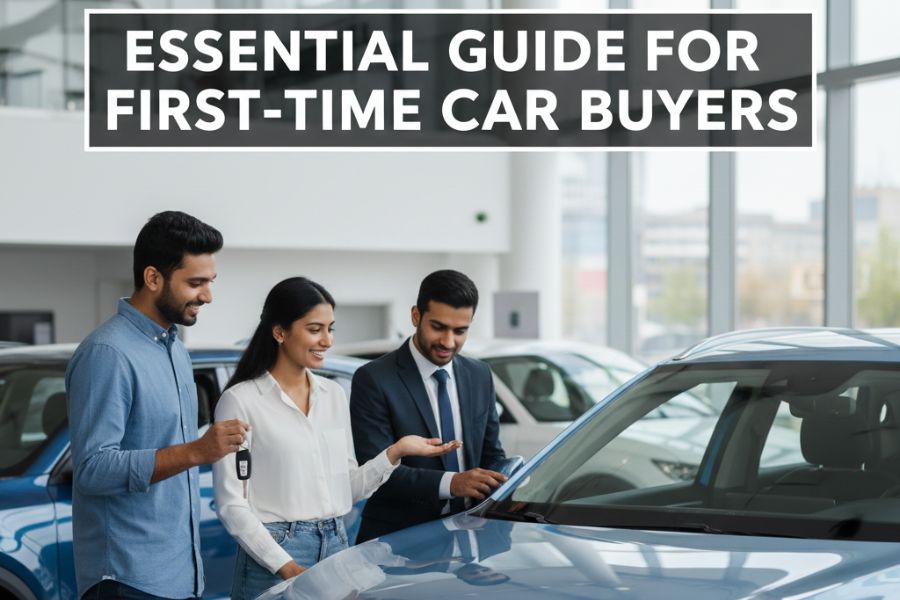
Purchasing your first vehicle is an exciting milestone, but it can also feel like navigating a maze of decisions. From understanding your financial limits to selecting the perfect model, the process involves multiple considerations. This comprehensive guide breaks down everything you need to know to make an informed purchase without the stress.
1. Assess Your Actual Requirements
Before stepping into any showroom, take time to evaluate your genuine needs. Ask yourself critical questions: What’s the primary purpose of this vehicle? Is it for weekday office commutes, weekend family trips, or perhaps both?
Calculate your typical daily mileage and identify the routes you’ll frequently travel. If your average daily journey exceeds 50 kilometers, your fuel choice will differ significantly from someone driving just 15-20 kilometers daily. This upfront analysis prevents costly mistakes and ensures you invest in a vehicle that truly serves your lifestyle.
Pro Tip: For minimal daily usage (under 20 kilometers), petrol variants offer excellent value. With average fuel efficiency of 13-14 kilometers per liter, annual fuel expenses typically remain under ₹55,000. In contrast, diesel vehicles demand a premium of ₹1-2 lakh upfront, making them economical only for high-mileage drivers.
2. Choose the Right Vehicle Category
Your lifestyle dictates the ideal body style. Understanding each category’s strengths helps narrow your options:
Hatchbacks: These compact vehicles excel in urban environments. Perfect for navigating congested streets, they offer excellent fuel economy and require minimal parking space. Ideal for individuals or small families with city-centric lifestyles.
Sedans: Balancing comfort with practicality, sedans provide generous cabin space and boot capacity. They’re versatile performers suitable for both city driving and highway cruising, making them popular among small to medium families.
SUVs and MPVs: These larger vehicles deliver commanding road presence, superior ground clearance, and spacious interiors. Choose these if you have a bigger family, frequently embark on long journeys, or navigate challenging road conditions regularly.
3. Establish a Realistic Financial Framework
Understanding the complete cost picture is crucial. The manufacturer’s listed price represents just the foundation. Factor in registration charges, comprehensive insurance, accessories, and processing fees to determine the actual on-road price.
Financial Health Check: Industry experts recommend limiting total automobile-related expenses—including monthly installments, insurance premiums, fuel, and maintenance—to 25% of your monthly income. For instance, with a ₹75,000 monthly salary, keep car expenses below ₹18,750 to maintain financial stability.
4. New Versus Pre-Owned: Making the Choice
Fresh-from-factory vehicles come with cutting-edge technology, complete warranties, and that unmatched new car experience. However, they also command premium pricing and depreciate rapidly during initial years.
Certified pre-owned vehicles present substantial savings—sometimes lakhs of rupees—while still offering reliability if purchased from reputable sources with documented service history.
Decision Framework: Beyond budget constraints, evaluate factors like warranty coverage, depreciation curves, and long-term maintenance expenses. For used vehicles, always arrange independent mechanical inspections before finalizing any purchase.
5. Prioritize Safety Over Superficial Features
While tempting, premium features like panoramic sunroofs, oversized touchscreens, or elaborate ambient lighting are luxuries rather than necessities. These additions inflate costs without enhancing the fundamental driving experience or safety.
Non-Negotiable Safety Elements: Focus your budget on life-saving technologies—multiple airbags, anti-lock braking systems (ABS), electronic stability control, and parking assistance. Review crash test ratings from recognized agencies to ensure robust protection for all occupants.
Advanced Driver Assistance Systems (ADAS) can be beneficial but consider Indian driving conditions carefully before investing in these premium features.
6. Select the Optimal Fuel Technology
Your fuel choice significantly impacts both initial investment and ongoing expenses:
- Petrol: Lower purchase price but slightly higher running costs
- Diesel: Superior mileage balanced against higher upfront costs; ideal for 50+ kilometer daily commutes
- CNG: Exceptional fuel economy and environmental benefits, limited by infrastructure availability
- Electric: Minimal running expenses and zero emissions, though charging infrastructure remains developing
Strategic Recommendation: Diesel makes financial sense only for extensive daily driving. For predominantly urban usage, consider automatic transmissions for added convenience, despite their typically higher pricing and marginally lower efficiency compared to manual gearboxes.
7. Consider Future Resale Prospects
If you anticipate upgrading within 3-5 years, depreciation becomes a critical factor. Vehicles from established manufacturers with extensive service networks typically retain value better.
Fuel efficiency, brand reliability, and overall condition at sale time all influence resale prices. Note that increasingly stringent emission regulations may impact diesel vehicle valuations in coming years.
8. Research Service Network Quality
The ownership experience extends far beyond the purchase. Investigate the manufacturer’s service infrastructure thoroughly. Examine customer testimonials, service center accessibility, and typical maintenance costs.
Premium brands should offer transparent communication, efficient service delivery, and reasonable pricing for scheduled maintenance. Typical service intervals occur at 1 month/1,000 kilometers initially, then at 6-month/5,000-kilometer intervals, whichever arrives first.
9. Plan for Ongoing Maintenance Expenses
Regular servicing represents just one component of ownership costs. Budget for replacement of consumable items: brake pads, tires, batteries, engine oil, and filters require periodic renewal.
Certain components like timing belts and spark plugs last longer but command higher replacement costs. Additionally, unexpected repairs from accidents, environmental damage, or component failures can arise.
Cost Management Strategy: Select models known for reliability and affordable maintenance. Consider extended warranty packages or comprehensive service plans to shield against surprise expenses, ensuring predictable ownership costs throughout your vehicle’s lifecycle.
10. Consult Expert Reviews and Comparisons
Unless you possess specialized automotive knowledge, professional guidance proves invaluable. Reputable automotive platforms provide detailed expert analyses, highlighting strengths and weaknesses of different models.
Utilize comparison tools to evaluate specifications, features, and value propositions across various options. Follow trusted automotive channels on social media and video platforms to stay informed about industry developments, recalls, and emerging trends.
11. Experience Through Test Drives and Negotiate Wisely
Never commit to a purchase without experiencing the vehicle firsthand. Test drives reveal critical aspects: comfort levels, handling characteristics, visibility, and overall driving dynamics. Don’t hesitate to ask detailed questions—sales representatives expect thorough inquiries from serious buyers.
Negotiation Best Practices: Visit multiple authorized dealerships to compare quotations and promotional offers. Scrutinize add-on packages carefully—extended warranties, paint protection treatments, and accessory bundles often carry inflated pricing and may not deliver proportional value.
Final Thoughts
Purchasing your first automobile need not be overwhelming when approached methodically. By evaluating your genuine requirements, establishing realistic budgets, prioritizing safety, and conducting thorough research, you’ll make a confident decision that serves you well for years ahead.
Remember: the right vehicle aligns with your lifestyle, fits your financial situation comfortably, and delivers reliable performance day after day. Take your time, ask questions, and enjoy the journey toward vehicle ownership!
Read More: