


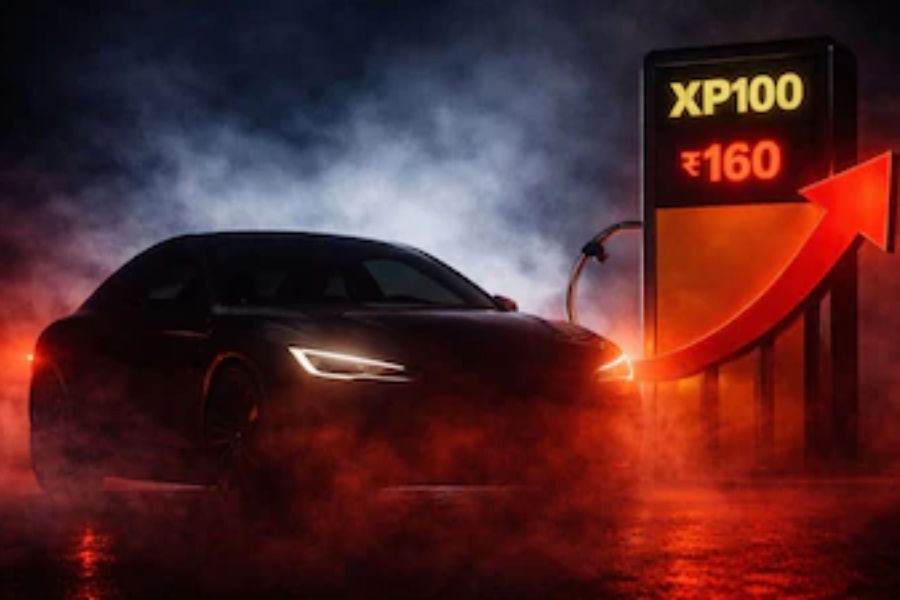
The price of high-performance 100-octane petrol in Delhi has been increased to Rs 160 per litre, marking a sharp hike of Rs 11 from its earlier rate of Rs 149. The revised pricing has come into effect from April 1, reflecting rising global crude oil costs and ongoing supply disruptions linked to geopolitical tensions in West Asia.
Premium Fuels See Price Adjustment
Along with 100-octane petrol, premium diesel variants—which feature advanced additives and a higher cetane rating—have also become costlier. Prices have been raised from Rs 91.49 to Rs 92.99 per litre, indicating a modest increase compared to petrol.
Earlier in March, oil marketing companies had already revised the price of 95-octane petrol, increasing it by up to Rs 2.35 per litre, signalling a broader upward trend in premium fuel pricing.
Regular Petrol and Diesel Prices Stable
Despite fluctuations in global crude oil markets, regular petrol and diesel prices remain unchanged for now. In Delhi, petrol continues to retail at Rs 94.77 per litre, while diesel is priced at Rs 87.67 per litre.
This stability is largely due to a recent excise duty cut by the central government, which significantly reduced taxes on both fuels. Officials have reiterated that the move is aimed at shielding consumers from global price volatility.
Government Assures Adequate Fuel Supply
The government has stated that there is no shortage of fuel across the country, despite concerns triggered by international supply constraints. Authorities have confirmed that:
- Crude oil inventory levels are sufficient
- Refineries are operating at optimal capacity
- Fuel supply chains remain stable
Officials have also assured that arrangements are in place to maintain uninterrupted fuel availability over the coming weeks.
Global Crude Prices Driving Pressure
The recent revisions come as Brent crude oil prices have surged from around $70 per barrel to over $100 per barrel in just a couple of months. Despite this sharp increase, retail prices of regular petrol and diesel have not been revised since April 2022, with even a Rs 2 price cut implemented in March 2024.
Private Fuel Retailers Increase Prices
While public sector oil companies have kept regular fuel prices steady, private fuel retailers have raised prices in several cities to offset rising input costs.
For instance, in Bengaluru:
- Petrol prices have reportedly risen significantly
- Diesel prices have seen even steeper hikes
These adjustments highlight the pressure faced by private players due to elevated crude prices.
Reports of Panic Buying Surface
Even though the government has dismissed concerns of shortages, isolated reports of panic buying and long queues at fuel stations have emerged from some regions.
In certain areas, fuel stations have reportedly:
- Limited supply for transport vehicles
- Experienced delays in replenishment
Dealer associations have also warned that continued supply disruptions could lead to temporary local shortages if not addressed promptly.
Bottom Line
While premium fuel users are already feeling the pinch, regular fuel consumers are currently protected from price hikes due to government intervention. However, with crude oil prices remaining volatile, the situation could evolve further in the coming weeks.
Read More: